About Lopburi

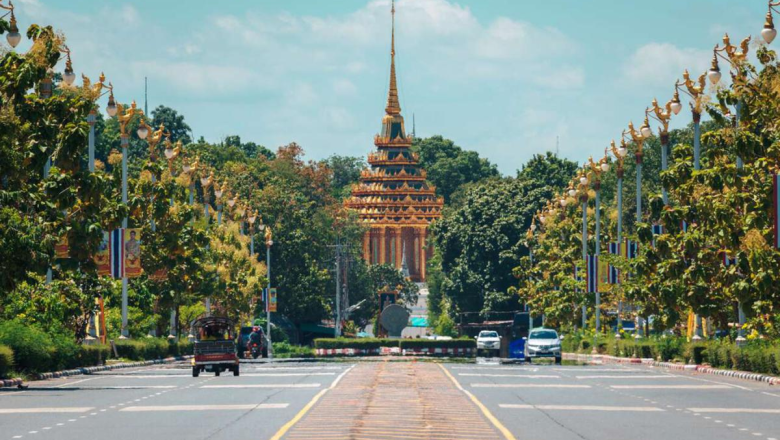
Being close to Bangkok and having a laid-back atmosphere, Lopburi is a fantastic destination to get away from the hustle and bustle of the city's hectic life.

History

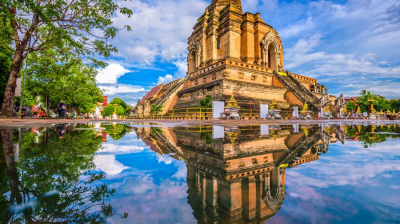
One of Thailand's oldest cities is Lopburi, which served as the country's second capital after Ayutthaya after its founding in 1350. King Narai left it after his death in 1688, but King Mongkut (King Rama IV) restored a portion of it, and in 1864 it was proclaimed the summer capital.

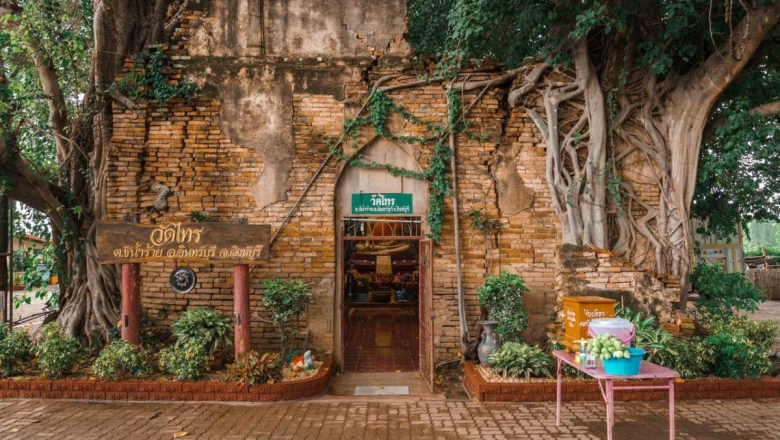
Lopburi played an important role in both the Khmer Empire and the Ayutthaya king dom. During the rule of King Narai the Great, who used to spend eight months of the year at Lopburi, it served as Ayutthaya's second capital. Later, this was where Bangkok's Chakri Dynasty's King Mongkut lived. There are artifacts from practically every era in Thai history.

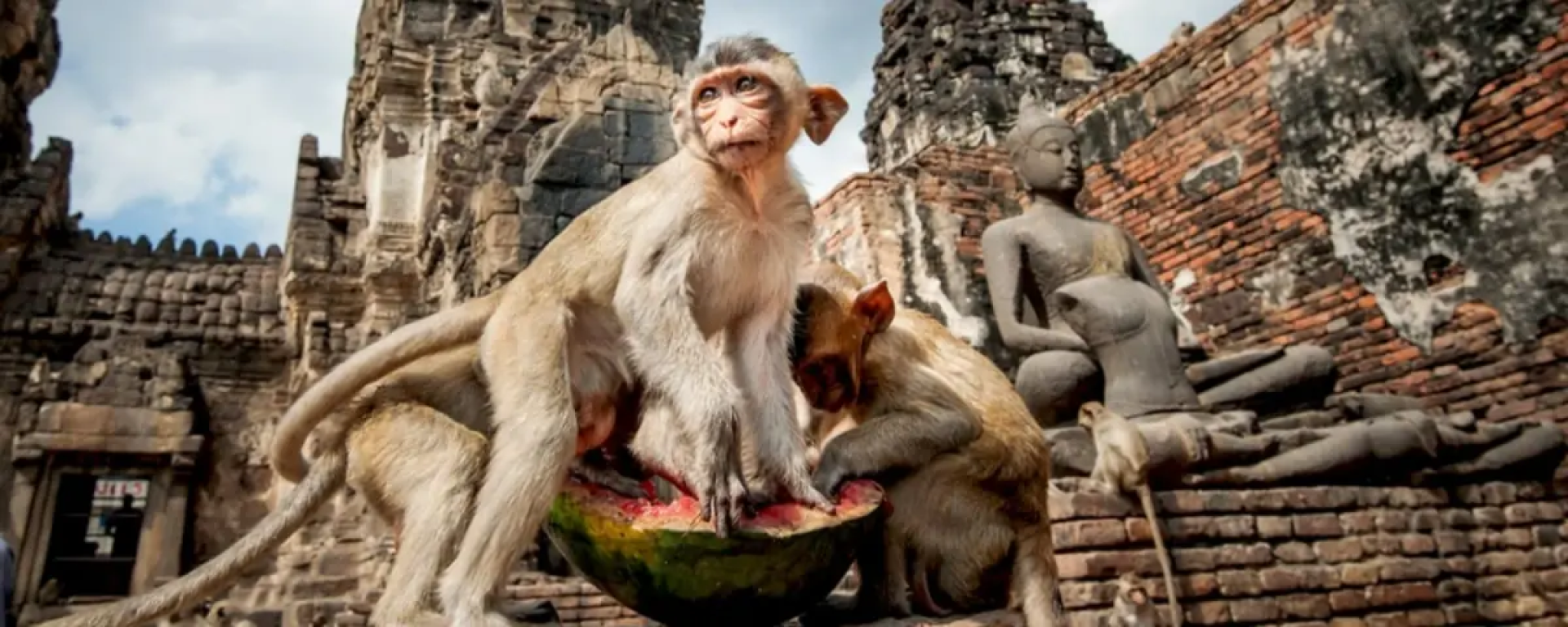
The Old Town of Lopburi is renowned for being overrun by hundreds of crab-eating macaques, especially in the vicinity of Phra Prang Sam Yod and Phra Kaan Shrine.

The Phra Prang Sam Yot shrine hosts the yearly Monkey Festival on the last Saturday and Sunday of November. On Sundays, more than 10,000 visitors watch a huge banquet of fresh fruit and vegetables served up for the monkeys' consumption. The occurrence of the monkeys is reputed to be lucky. The region is home to up to 3,000 crab-eating macaque monkeys.

Weather

Despite its variable temperatures, Thailand is a popular tourist destination all year round. The ideal time to visit Thailand is from early November to mid-April. At this point, the rain ceases and the sky becomes clear. Days like these are perfect for taking a trip to the beach or exploring the various historical monuments. The heat starts to get unbearable in April, and the rainy season starts up again in June.

How to get there

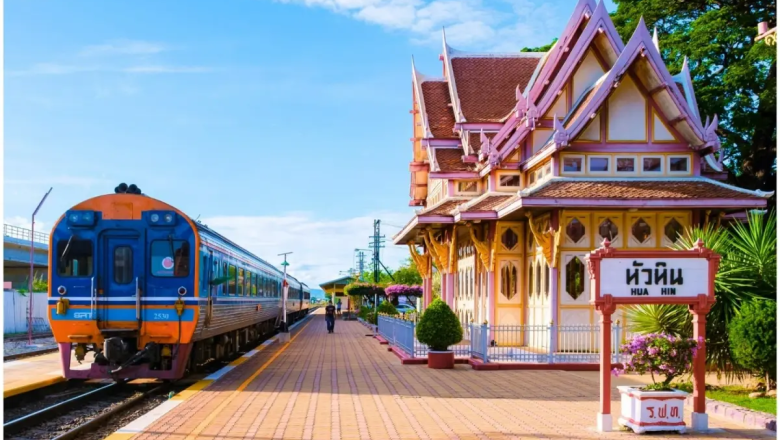
It takes around 3.5 hours to travel by train from/to Bangkok's main Hualamphong station. Take the Northern Line often throughout the day, departing from Hua Lamphong Railway Station. The cost of a ticket might range from 13 baht in economy class (which is good) to 370 baht in an air-conditioned coach with a meal.

Air-conditioned Minibus 12 vans from Bangkok depart from Mo Chit, travel through Saraburi, and take around 3.25 hours. Depending on the service you choose, the fare is 120 baht. There are several van services in the neighborhood; if the schedule of one is not convenient, try another. While some bus routes end in the Old Town, the majority end at the bus station in the modern city. 

What to do in Lopburi

dsds

Restaurants & Bars in Lopburi

dsds

Destinations around

FAQs

This is the first item’s accordion body. It is shown by default, until the collapse plugin adds the appropriate classes that we use to style each element. These classes control the overall appearance, as well as the showing and hiding via CSS transitions. You can modify any of this with custom CSS or overriding our default variables. It’s also worth noting that just about any HTML can go within the .accordion-body, though the transition does limit overflow.

This is the second item’s accordion body. It is hidden by default, until the collapse plugin adds the appropriate classes that we use to style each element. These classes control the overall appearance, as well as the showing and hiding via CSS transitions. You can modify any of this with custom CSS or overriding our default variables. It’s also worth noting that just about any HTML can go within the .accordion-body, though the transition does limit overflow.

This is the third item’s accordion body. It is hidden by default, until the collapse plugin adds the appropriate classes that we use to style each element. These classes control the overall appearance, as well as the showing and hiding via CSS transitions. You can modify any of this with custom CSS or overriding our default variables. It’s also worth noting that just about any HTML can go within the .accordion-body, though the transition does limit overflow.

This is the third item’s accordion body. It is hidden by default, until the collapse plugin adds the appropriate classes that we use to style each element. These classes control the overall appearance, as well as the showing and hiding via CSS transitions. You can modify any of this with custom CSS or overriding our default variables. It’s also worth noting that just about any HTML can go within the .accordion-body, though the transition does limit overflow.

This is the third item’s accordion body. It is hidden by default, until the collapse plugin adds the appropriate classes that we use to style each element. These classes control the overall appearance, as well as the showing and hiding via CSS transitions. You can modify any of this with custom CSS or overriding our default variables. It’s also worth noting that just about any HTML can go within the .accordion-body, though the transition does limit overflow.

This is the third item’s accordion body. It is hidden by default, until the collapse plugin adds the appropriate classes that we use to style each element. These classes control the overall appearance, as well as the showing and hiding via CSS transitions. You can modify any of this with custom CSS or overriding our default variables. It’s also worth noting that just about any HTML can go within the .accordion-body, though the transition does limit overflow.