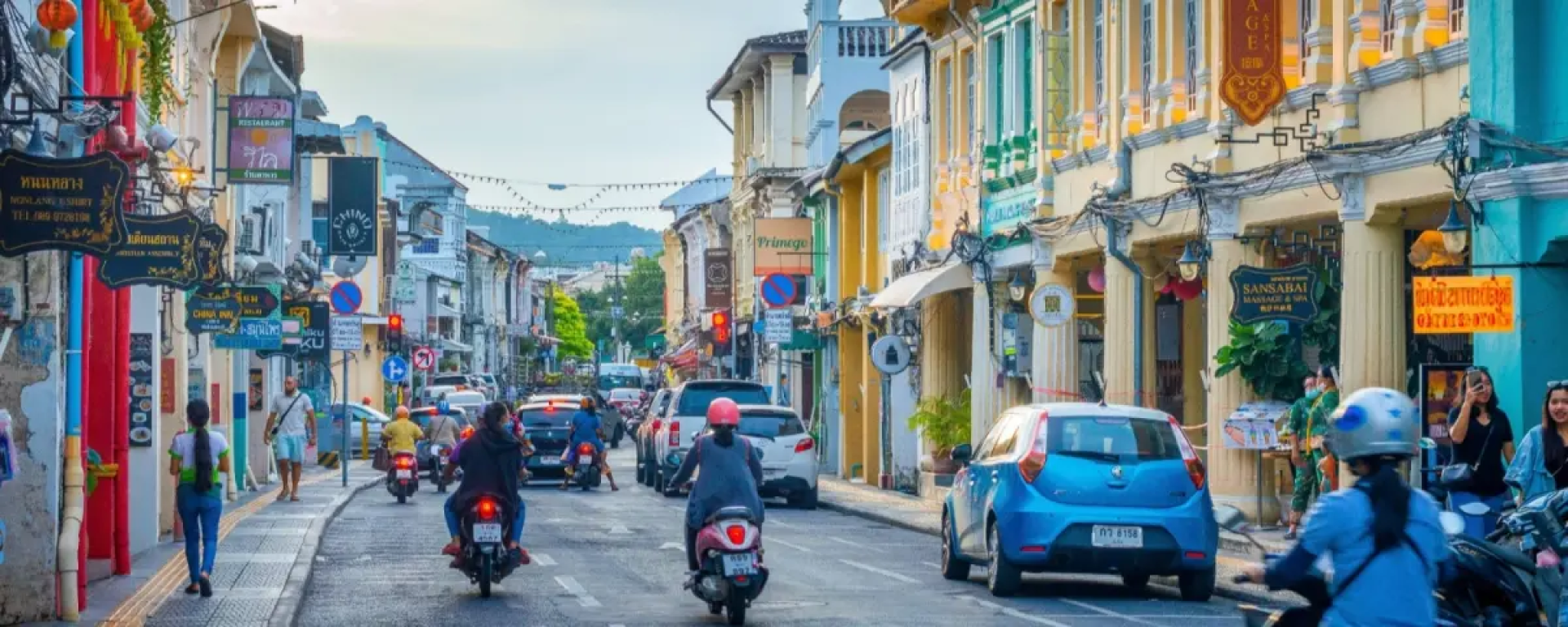
About Phuket

Phuket

It is located in southern Thailand, lies in the Andaman Sea, off the west coast of peninsular Thailand.

History

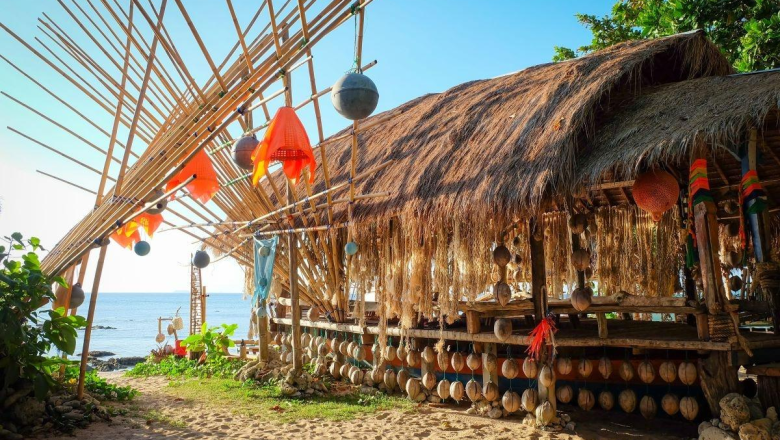
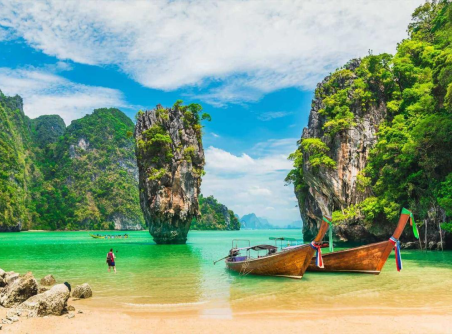
Phuket is well-known for several spectacular beaches, including Rawai, Patong, Karon, Kamala, Kata Yai, Kata Noi, and Mai Khao. The most magnificent sunsets in Thailand are allegedly seen from Laem Phromthep's viewpoint.

The greatest and undoubtedly most well-known island in Thailand is Phuket. The allure includes clear seas, white sand beaches, hot Thai food, and superb diving and snorkeling.
Travelers rush to Phuket from all over the world in search of adventure and leisure, making the island one of the most well-liked vacation spots in Thailand.

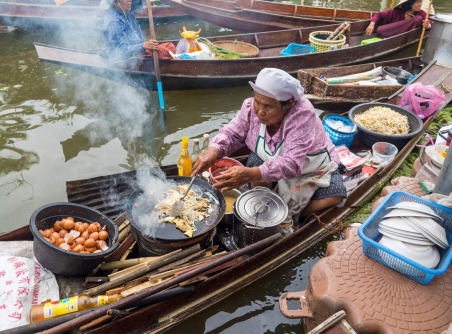
Scrumptious Thai gastronomy usually consists of a variety of hot, mild, sweet, and sour items. The customers can try Thai cuisine, particularly Thai curries created with ingredients like coconut milk, shrimp paste, garlic, chili peppers, and flavors like coriander, lemongrass, galangal, and Kaffir lime leaves.

Visiting Phuket, the tourists also have chances to take part in various traditional and special festivals or events. Especially, Phuket will organize the Songkran Festival known as Thai's new year event.

Weather

The weather in Phuket is outstanding, with warm, sunny days all through the year. Even though the monsoon season typically lasts from mid-May to October, it may only rain once or twice during these periods.

How to get there

The two most straightforward modes of transportation from Bangkok to Phuket are flights and nighttime buses.
Many times per day, one-hour flights leave Bangkok Suvarnabhumi International Airport for Phuket International Airport. On a weekday, flights from Bangkok to Phuket can be had for very little money.
From Bangkok to Phuket, there are daytime and overnight buses, all of which have air conditioning, complimentary movies, and onboard snacks and beverages. Make careful to reserve well in advance, especially during peak season, as overnight buses are more popular and tend to fill up quickly.
Traveler Best Choice

Thailand Passion 13 Days 12 Nights

Koh Chang Island - Trat - Koh Mak - Koh Kood Private

From US$ 222 US$ 111
9 Days Discovering Bangkok Area And Phuket Beach

Koh Chang Island - Trat - Koh Mak - Koh Kood Private

From US$ 222 US$ 111
Boost Your Mood in Vietnam & Thailand Coastal (20 Days 19 Nights)

Koh Chang Island - Trat - Koh Mak - Koh Kood Private

From US$ 222 US$ 111
Jewels Thailand and Cambodia Discovery 13 Days

Koh Chang Island - Trat - Koh Mak - Koh Kood Private

From US$ 222 US$ 111
Retrospect Hidden Gems in Thailand & Indochina (31D30N)

Koh Chang Island - Trat - Koh Mak - Koh Kood Private

From US$ 222 US$ 111
Symbol Exploration from Thailand-Singapore-Malaysia 17D16N

Koh Chang Island - Trat - Koh Mak - Koh Kood Private

From US$ 222 US$ 111

What to do in Phuket

dsds

Restaurants & Bars in Phuket

dsds

Destinations around

FAQs

This is the first item’s accordion body. It is shown by default, until the collapse plugin adds the appropriate classes that we use to style each element. These classes control the overall appearance, as well as the showing and hiding via CSS transitions. You can modify any of this with custom CSS or overriding our default variables. It’s also worth noting that just about any HTML can go within the .accordion-body, though the transition does limit overflow.

This is the second item’s accordion body. It is hidden by default, until the collapse plugin adds the appropriate classes that we use to style each element. These classes control the overall appearance, as well as the showing and hiding via CSS transitions. You can modify any of this with custom CSS or overriding our default variables. It’s also worth noting that just about any HTML can go within the .accordion-body, though the transition does limit overflow.

This is the third item’s accordion body. It is hidden by default, until the collapse plugin adds the appropriate classes that we use to style each element. These classes control the overall appearance, as well as the showing and hiding via CSS transitions. You can modify any of this with custom CSS or overriding our default variables. It’s also worth noting that just about any HTML can go within the .accordion-body, though the transition does limit overflow.

This is the third item’s accordion body. It is hidden by default, until the collapse plugin adds the appropriate classes that we use to style each element. These classes control the overall appearance, as well as the showing and hiding via CSS transitions. You can modify any of this with custom CSS or overriding our default variables. It’s also worth noting that just about any HTML can go within the .accordion-body, though the transition does limit overflow.

This is the third item’s accordion body. It is hidden by default, until the collapse plugin adds the appropriate classes that we use to style each element. These classes control the overall appearance, as well as the showing and hiding via CSS transitions. You can modify any of this with custom CSS or overriding our default variables. It’s also worth noting that just about any HTML can go within the .accordion-body, though the transition does limit overflow.

This is the third item’s accordion body. It is hidden by default, until the collapse plugin adds the appropriate classes that we use to style each element. These classes control the overall appearance, as well as the showing and hiding via CSS transitions. You can modify any of this with custom CSS or overriding our default variables. It’s also worth noting that just about any HTML can go within the .accordion-body, though the transition does limit overflow.