About Hua Hin

HUA HIN 

Hua Hin, Thailand's oldest beach town resort, is situated on the west coast of the Gulf of Thailand.

History of Hua Hin

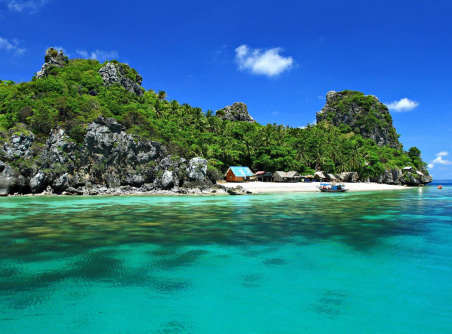
Hua Hin, which in Thai means "stone head," is rich in history. The tourists have opportunities to enjoy excellent moments when spending the holidays on Hua Hin beaches. 

The attractions of Hua Hin have managed to preserve the tranquility of a fishing town while coexisting harmoniously with the bustling heart of a contemporary luxury beach resort. 

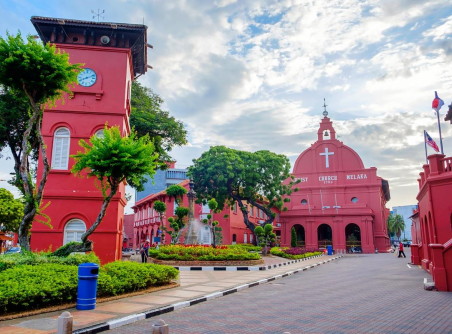
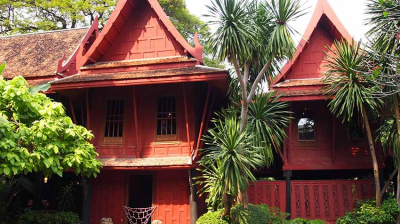
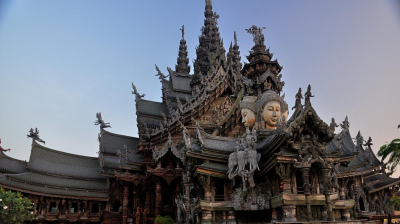
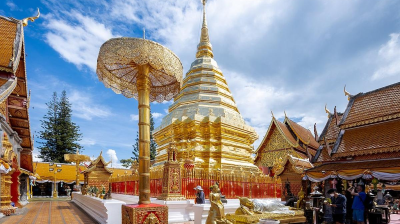
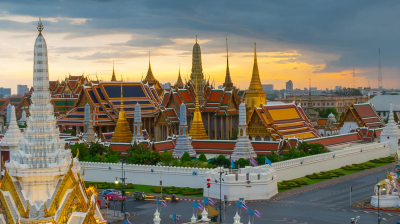
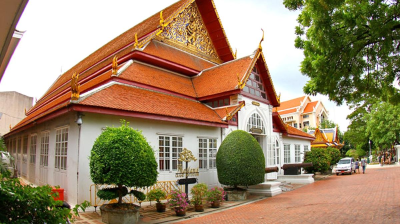
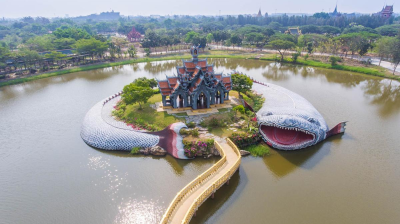
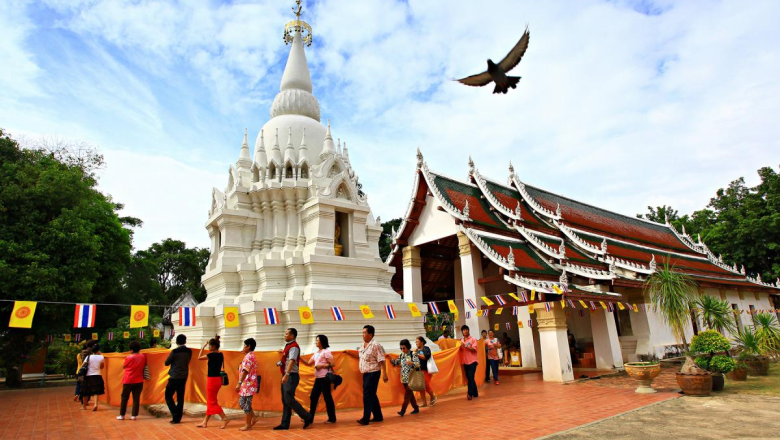
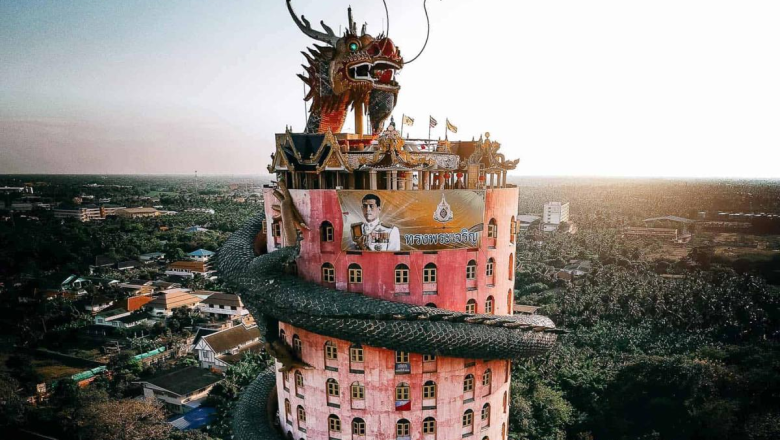
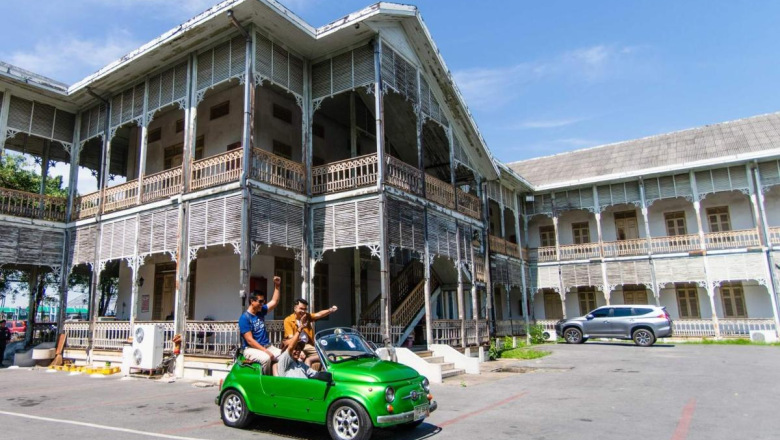
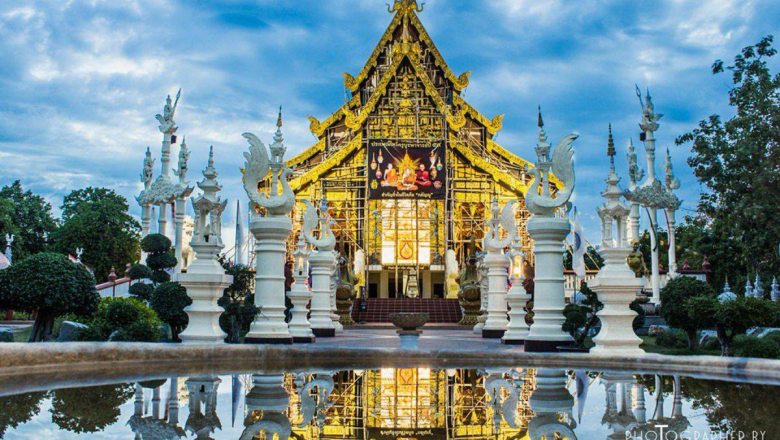
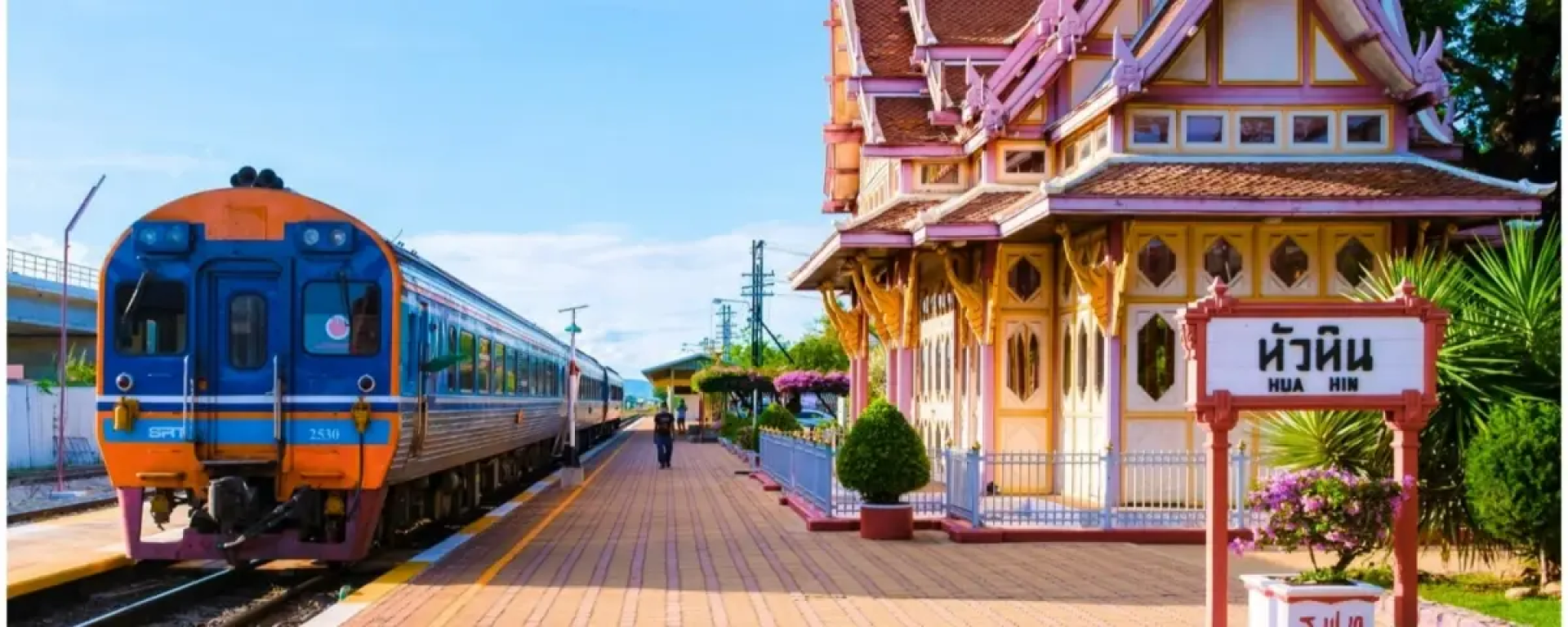
Coming to Hua Hin, travelers are able to discover a large number of historical and religious architectures namely The King of Thailand’s Klai Kangwon summer palace, Maruekhathaiyawan Palace, the blue and white Santorini Park, and retro Hua Hin Railway Station. 

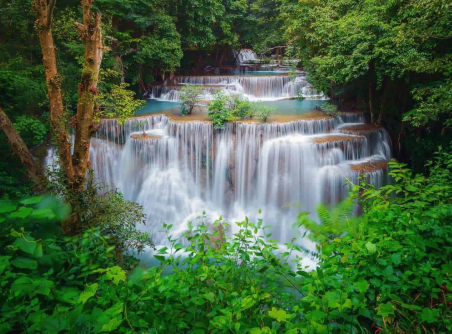
Apart from these fabulous religious architectures, Hua Hin also contains two famous seaside national parks such as Sam Roi Yod National Park and Prayanakhorn Cave. 

Moreover, observing an excessive 320 well-protected wild elephants in Kuiburi could be one of the travelers’  most memorable experiences.

Besides, there are numerous ideal attractions for customers to explore like the 300-Mountain and Pineapple Plantation National Park. In addition, there is a special Thai cuisine with eye-catching, spicy, delicious dishes such as green curry paste, pad thai, tom yum goong (shrimp soup), and gaeng keaw wan gai (chicken curry). 

Weather in Hua Hin 

The spans from November to February is generally considered as the best time to visit Hua Hin because the weather is dry, sunny days. December and January see the maximum influx of tourists so book your tickets and hotels in advance to avoid the soaring prices.

How to get to Hua Hin 

Visitors can travel from Bangkok to Hua Hin by bus, train, van or private taxi. Buses from Bangkok to Hua Hin are cheap and bus tickets start already at $5-10/pp. Traveling by bus from Bangkok to Hua Hin can take about 3-3.5 hours. The most convenient method is to travel by van, minivan, or private taxi.

Traveler Best Choice

Southward Bangkok to Hua Hin 8 Days 7 Nights

Koh Chang Island - Trat - Koh Mak - Koh Kood Private

From US$ 222 US$ 111
From Bangkok To Phuket Biking Tour 14 Days 13 Nights

Koh Chang Island - Trat - Koh Mak - Koh Kood Private

From US$ 222 US$ 111
Bangkok & Hua Hin Family Tour 9 Days

Koh Chang Island - Trat - Koh Mak - Koh Kood Private

From US$ 222 US$ 111
Unseen Southern Thailand 12 Days

Koh Chang Island - Trat - Koh Mak - Koh Kood Private

From US$ 222 US$ 111
Globetrotting Journey in Thailand & Siem Reap (19 Days)

Koh Chang Island - Trat - Koh Mak - Koh Kood Private

From US$ 222 US$ 111
Indigenous vibes in Thailand, Singapore & Malaysia 12D11N

Koh Chang Island - Trat - Koh Mak - Koh Kood Private

From US$ 222 US$ 111

What to do in Hua Hin

dsds

Restaurants & Bars in Hua Hin

dsds

Destinations around

FAQs

This is the first item’s accordion body. It is shown by default, until the collapse plugin adds the appropriate classes that we use to style each element. These classes control the overall appearance, as well as the showing and hiding via CSS transitions. You can modify any of this with custom CSS or overriding our default variables. It’s also worth noting that just about any HTML can go within the .accordion-body, though the transition does limit overflow.

This is the second item’s accordion body. It is hidden by default, until the collapse plugin adds the appropriate classes that we use to style each element. These classes control the overall appearance, as well as the showing and hiding via CSS transitions. You can modify any of this with custom CSS or overriding our default variables. It’s also worth noting that just about any HTML can go within the .accordion-body, though the transition does limit overflow.

This is the third item’s accordion body. It is hidden by default, until the collapse plugin adds the appropriate classes that we use to style each element. These classes control the overall appearance, as well as the showing and hiding via CSS transitions. You can modify any of this with custom CSS or overriding our default variables. It’s also worth noting that just about any HTML can go within the .accordion-body, though the transition does limit overflow.

This is the third item’s accordion body. It is hidden by default, until the collapse plugin adds the appropriate classes that we use to style each element. These classes control the overall appearance, as well as the showing and hiding via CSS transitions. You can modify any of this with custom CSS or overriding our default variables. It’s also worth noting that just about any HTML can go within the .accordion-body, though the transition does limit overflow.

This is the third item’s accordion body. It is hidden by default, until the collapse plugin adds the appropriate classes that we use to style each element. These classes control the overall appearance, as well as the showing and hiding via CSS transitions. You can modify any of this with custom CSS or overriding our default variables. It’s also worth noting that just about any HTML can go within the .accordion-body, though the transition does limit overflow.

This is the third item’s accordion body. It is hidden by default, until the collapse plugin adds the appropriate classes that we use to style each element. These classes control the overall appearance, as well as the showing and hiding via CSS transitions. You can modify any of this with custom CSS or overriding our default variables. It’s also worth noting that just about any HTML can go within the .accordion-body, though the transition does limit overflow.