About Chainat

Chainat is the provincial capital of the Chainat province, located in the central of Thailand.

History


Chainat literally translates as a roaring victory. At the mouth of Khlong Phraek Si Racha, south of the former waterway, on the right bank of the Chao Phraya River, this historic town's original location.
The second-most significant southern outpost created in Sukhothai after the town of Phanthumwadi (Suphan Buri province) was Chai Nat. It was constructed during the 1317–1336 reign of King Phaya Loethai of Sukhothai. This historic settlement was known as Mueang Phraek or Mueang San. Phraek became Ayutthaya's northern frontier town as the Sukhothai Kingdom waned. Later, a new neighborhood was built close to Phraek. Chao Sam Phraya, who eventually went on to reign Ayutthaya as King Borom Rachathirat II, served as its king.

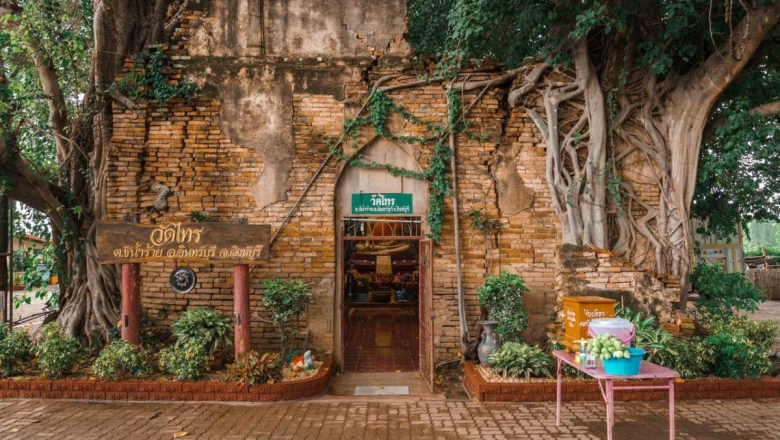
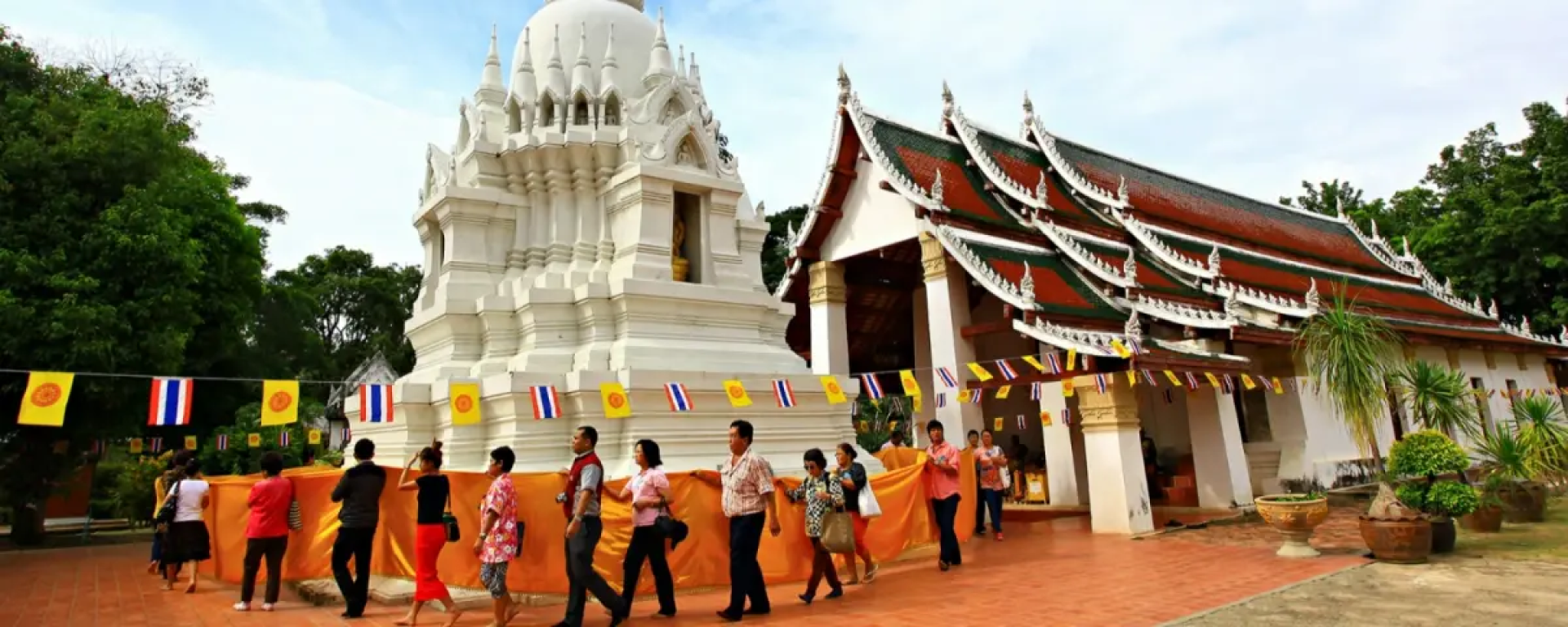
This City is incredibly fertile since Chai Nat is a province with many rivers. It has a prolonged history dating back to the Sukhothai era. This means that there are numerous historical places to see, including Wat Maha That, the Khun Sawan Monument, and Wat Karuna.

Nowadays, Chainat is well known for its handicrafts, including wickerwork, molding, weaving, and benjarong production. Their handicrafts can reach both the domestic and international markets with a modern aesthetic and competitive costs thanks to the skilled work of various villagers' organizations.

Weather


Thailand is a year-round destination despite the country's varied climate. Thailand is best visited between November and early April. The rain stops and the sky clears up at this point. The days are pleasant and ideal for going on an excursion to the beach or visiting the many historical sites. From April on, the heat becomes intolerable, and June marks the beginning of the rainy season once more.
How to get there


Since Bangkok is 194 kilometers away from Chainat, it is convenient that tourists can choose to travel there by car.
From the Bangkok Northern Bus Terminal (Mo Chit 2) on Kamphaeng Phet Road, take the hourly air-conditioned bus (5.30 a.m. to 5.30 p.m.) to Chai Nat. The journey there takes roughly 2.5 hours.
To travel around Chainat, there are various transport means such as motorbikes or tuk-tuks.



What to do in Chainat

dsds

Restaurants & Bars in Chainat

dsds

Destinations around

FAQs

This is the first item’s accordion body. It is shown by default, until the collapse plugin adds the appropriate classes that we use to style each element. These classes control the overall appearance, as well as the showing and hiding via CSS transitions. You can modify any of this with custom CSS or overriding our default variables. It’s also worth noting that just about any HTML can go within the .accordion-body, though the transition does limit overflow.

This is the second item’s accordion body. It is hidden by default, until the collapse plugin adds the appropriate classes that we use to style each element. These classes control the overall appearance, as well as the showing and hiding via CSS transitions. You can modify any of this with custom CSS or overriding our default variables. It’s also worth noting that just about any HTML can go within the .accordion-body, though the transition does limit overflow.

This is the third item’s accordion body. It is hidden by default, until the collapse plugin adds the appropriate classes that we use to style each element. These classes control the overall appearance, as well as the showing and hiding via CSS transitions. You can modify any of this with custom CSS or overriding our default variables. It’s also worth noting that just about any HTML can go within the .accordion-body, though the transition does limit overflow.

This is the third item’s accordion body. It is hidden by default, until the collapse plugin adds the appropriate classes that we use to style each element. These classes control the overall appearance, as well as the showing and hiding via CSS transitions. You can modify any of this with custom CSS or overriding our default variables. It’s also worth noting that just about any HTML can go within the .accordion-body, though the transition does limit overflow.

This is the third item’s accordion body. It is hidden by default, until the collapse plugin adds the appropriate classes that we use to style each element. These classes control the overall appearance, as well as the showing and hiding via CSS transitions. You can modify any of this with custom CSS or overriding our default variables. It’s also worth noting that just about any HTML can go within the .accordion-body, though the transition does limit overflow.

This is the third item’s accordion body. It is hidden by default, until the collapse plugin adds the appropriate classes that we use to style each element. These classes control the overall appearance, as well as the showing and hiding via CSS transitions. You can modify any of this with custom CSS or overriding our default variables. It’s also worth noting that just about any HTML can go within the .accordion-body, though the transition does limit overflow.