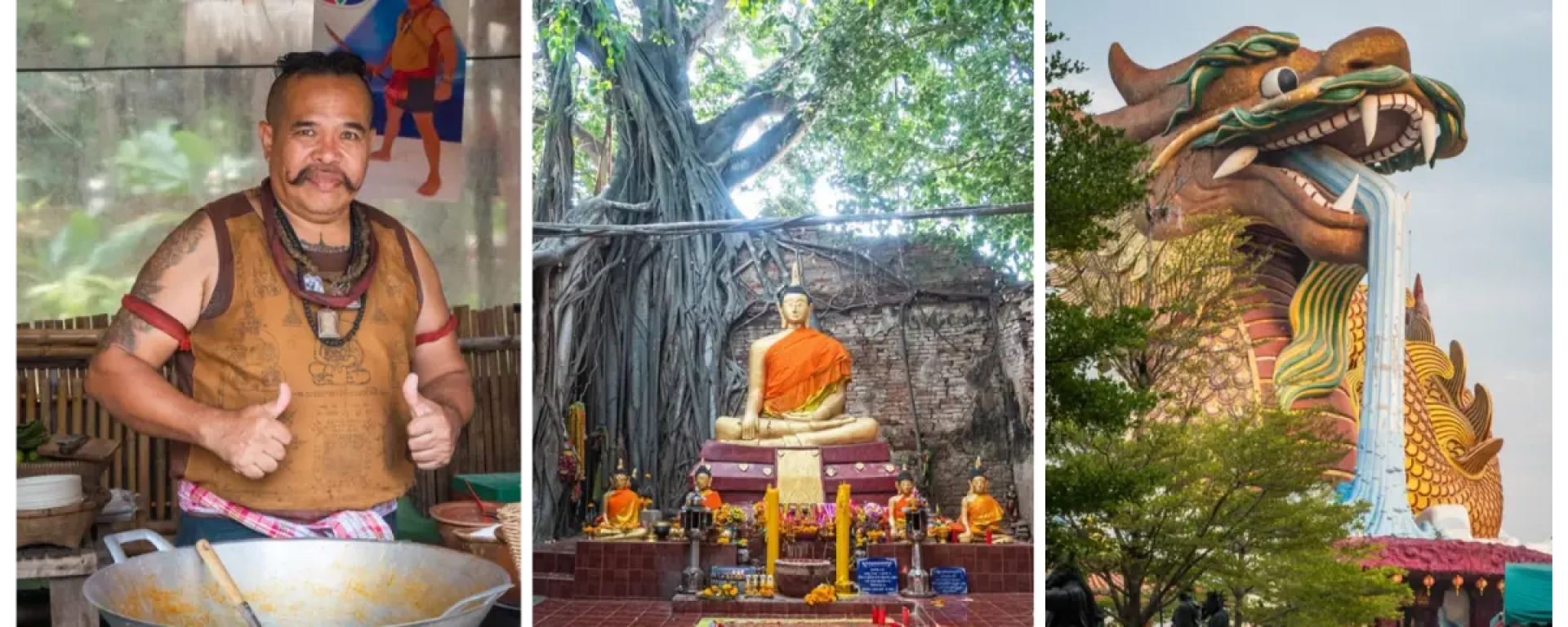
About Suphan Buri

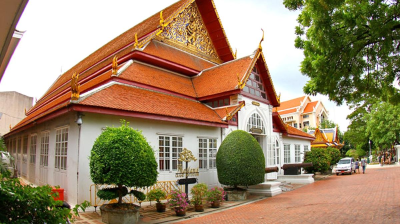
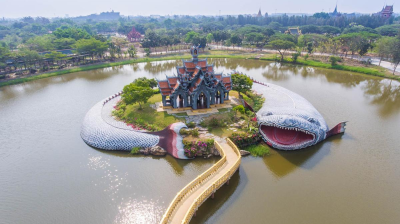
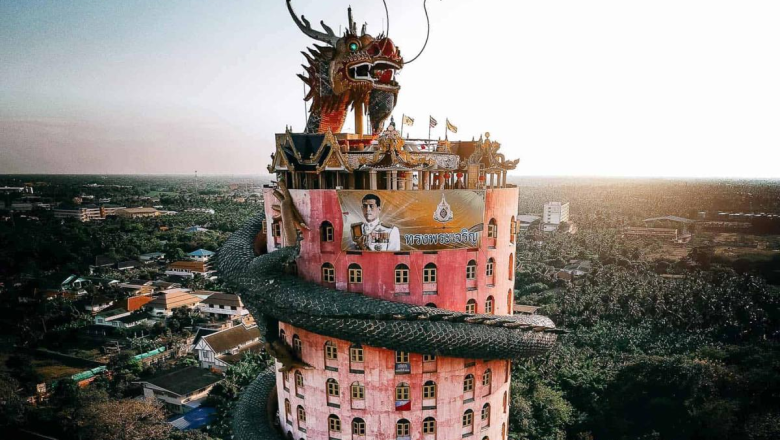
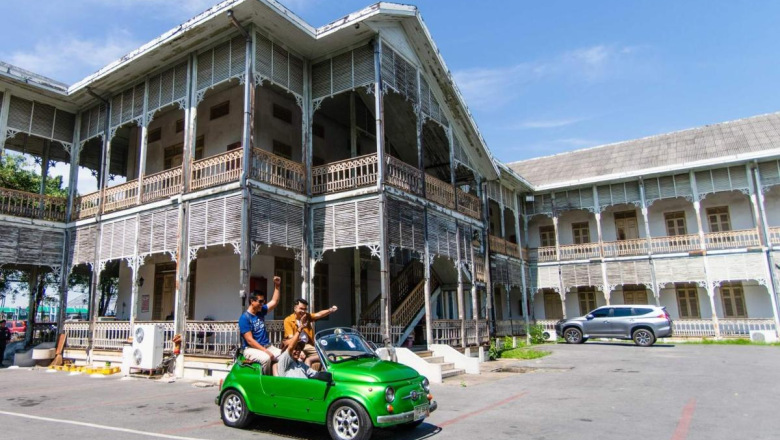
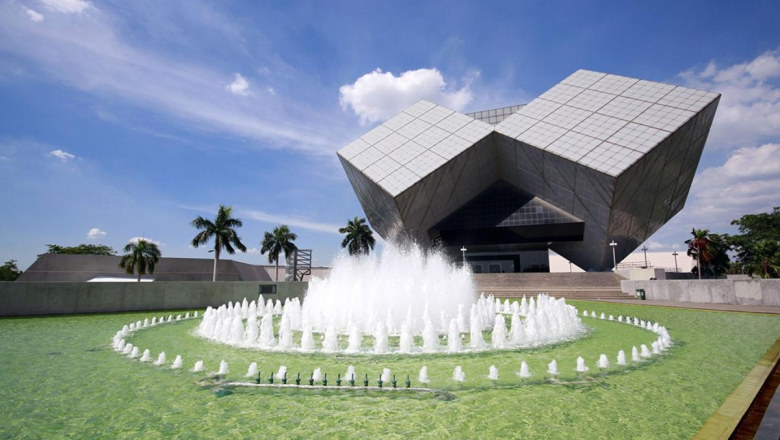
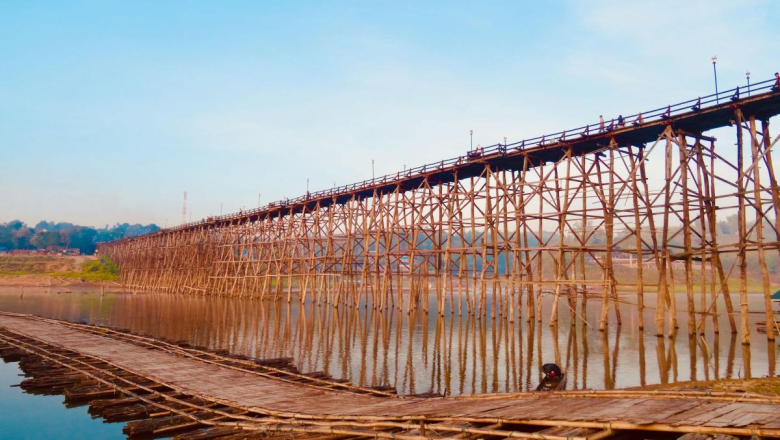
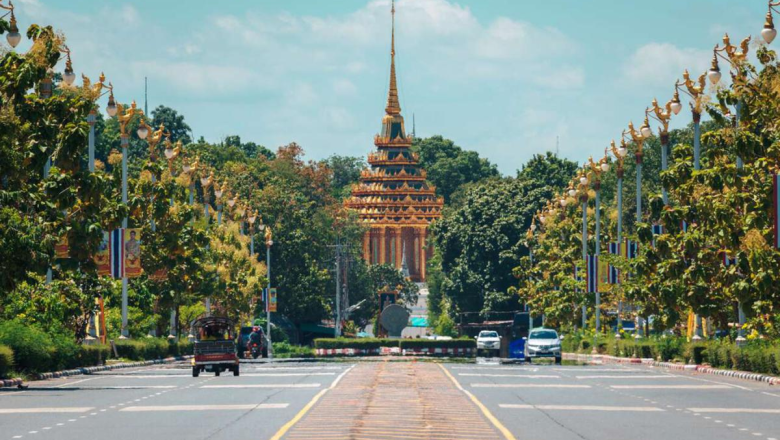
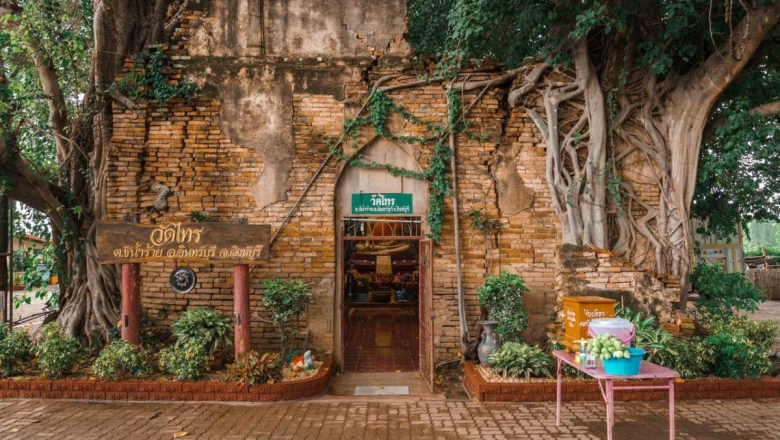
Just a hundred kilometres away from Bangkok, Suphan Buri is an ancient town rich in natural and Historical heritage. The city itself dates back to the 9th century and the province was once an important border town during the period of the Ayutthaya Kingdom; consequently, many battles of important wars were waged in the province. There are many historical sites, in addition to a wide variety of natural attractions including caves, waterfalls, bird parks, fish sanctuaries, and a crocodile ‘Farm.’

Suphan Buri is a province near the Tha Chin River with its geographic features of mountains, forest and plain fields.

Traveling around the province today is like drifting through a historical novel, with attractions including Don Chedi Monument and Wat Khao Khuen, whose abbot played a significant role in the Thai History. Supan Buri’s natural wonders include Phu Toei national park and the Bueng Chawak Aquarium, and visitors can get a taste of the local Culture by trying Sali Suphan, the famous local-style cake.

Traveler Best Choice

Discover Suphan Buri 1 Day

Koh Chang Island - Trat - Koh Mak - Koh Kood Private

From US$ 222 US$ 111

What to do in Suphan Buri

dsds

Restaurants & Bars in Suphan Buri

dsds

Destinations around

FAQs

This is the first item’s accordion body. It is shown by default, until the collapse plugin adds the appropriate classes that we use to style each element. These classes control the overall appearance, as well as the showing and hiding via CSS transitions. You can modify any of this with custom CSS or overriding our default variables. It’s also worth noting that just about any HTML can go within the .accordion-body, though the transition does limit overflow.

This is the second item’s accordion body. It is hidden by default, until the collapse plugin adds the appropriate classes that we use to style each element. These classes control the overall appearance, as well as the showing and hiding via CSS transitions. You can modify any of this with custom CSS or overriding our default variables. It’s also worth noting that just about any HTML can go within the .accordion-body, though the transition does limit overflow.

This is the third item’s accordion body. It is hidden by default, until the collapse plugin adds the appropriate classes that we use to style each element. These classes control the overall appearance, as well as the showing and hiding via CSS transitions. You can modify any of this with custom CSS or overriding our default variables. It’s also worth noting that just about any HTML can go within the .accordion-body, though the transition does limit overflow.

This is the third item’s accordion body. It is hidden by default, until the collapse plugin adds the appropriate classes that we use to style each element. These classes control the overall appearance, as well as the showing and hiding via CSS transitions. You can modify any of this with custom CSS or overriding our default variables. It’s also worth noting that just about any HTML can go within the .accordion-body, though the transition does limit overflow.

This is the third item’s accordion body. It is hidden by default, until the collapse plugin adds the appropriate classes that we use to style each element. These classes control the overall appearance, as well as the showing and hiding via CSS transitions. You can modify any of this with custom CSS or overriding our default variables. It’s also worth noting that just about any HTML can go within the .accordion-body, though the transition does limit overflow.

This is the third item’s accordion body. It is hidden by default, until the collapse plugin adds the appropriate classes that we use to style each element. These classes control the overall appearance, as well as the showing and hiding via CSS transitions. You can modify any of this with custom CSS or overriding our default variables. It’s also worth noting that just about any HTML can go within the .accordion-body, though the transition does limit overflow.