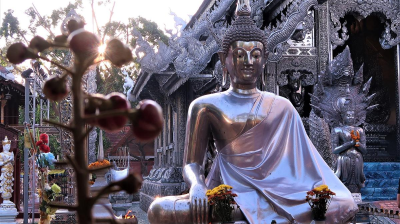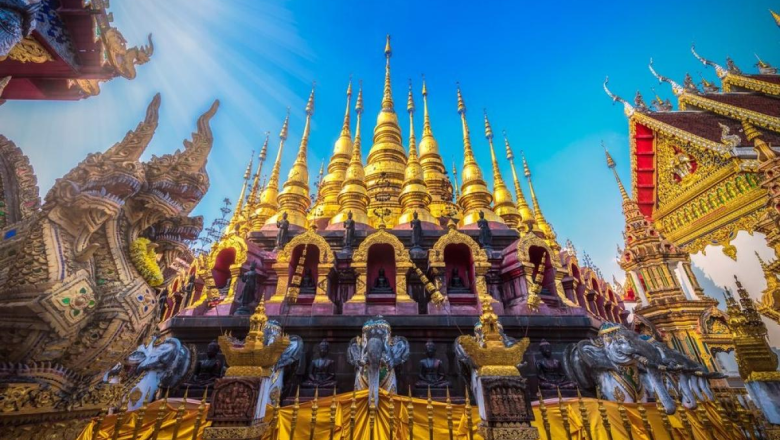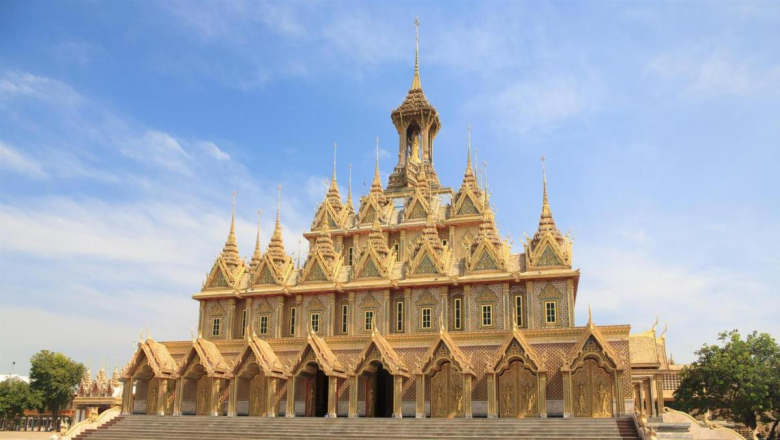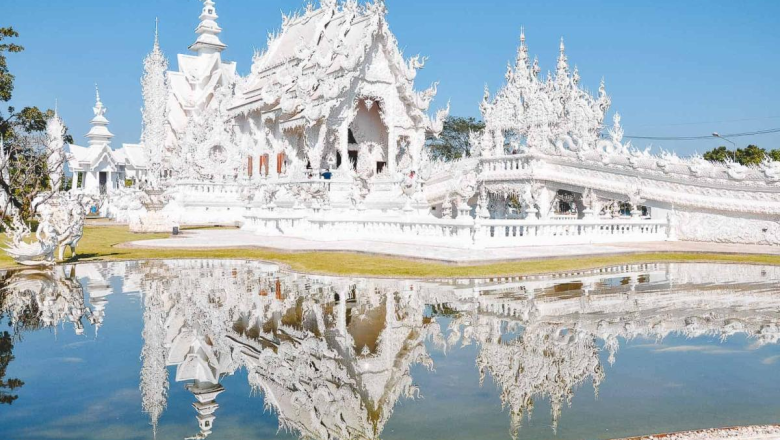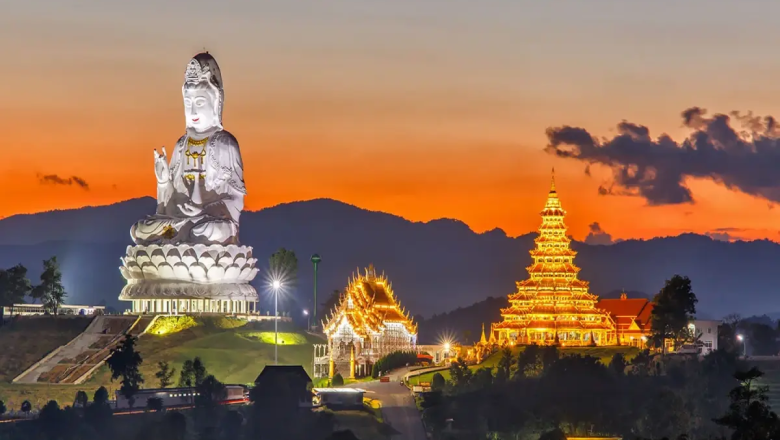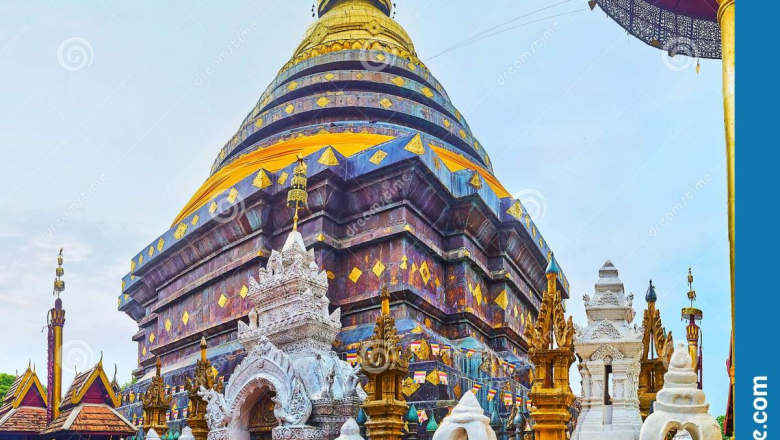
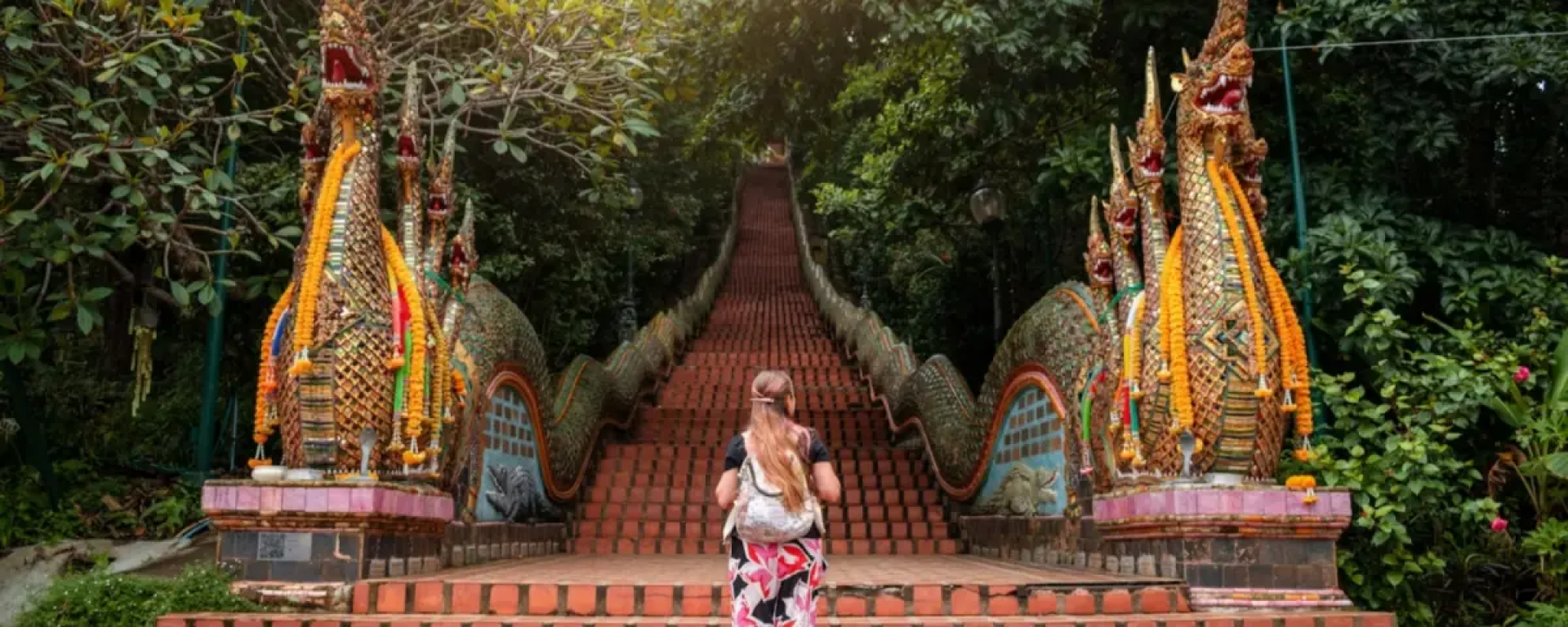
After metropolitan Bangkok and Nakhon Ratchasima, Chiang Mai, also spelled Chiengmai, is the largest city in northern Thailand and the third-largest city overall. It is situated at a height of 1,100 feet on the Ping River, a significant tributary of the Chao Phraya River, close to the center of a lush intermontane basin (335 m). It serves as the center for transportation, education, culture, economics, and religion for both northern Thailand and a portion of neighboring Myanmar (Burma).
History
The city, which formerly served as the seat of an autonomous kingdom, is closely associated with Laos culturally. In order to serve as the political, economic, social, and cultural hub of his newly enlarged and united kingdom of the Tai people, known as the "Lanna Kingdom," Chiang Mai was deliberately established by King Mangrai in AD 1296. (kingdom of a million rice fields). It was intended to be situated north of the present-day Thai mainland, in Southeast Asia's landlocked interior.
The city plan therefore represented a contented and successful individual, laying with his or her back turned to the strong and stable mountain, protected by its sacred spirits, and with the stomach facing the river on the east, full and round, and hanging down from the northeast to the south, like that of a pregnant woman, receiving double protection from the outside walls and moats.
Since Chiang Mai has been around for 700 years, its civilization has evolved over the years, reaching its pinnacle before falling and then rising again in numerous succeeding eras. But the history of Lanna, Siam or Thailand, Asia, and the rest of the world have all influenced Chiang Mai's growth, which has never happened in a vacuum.
The various significant historical and cultural landmarks and locations in Chiang Mai that represent its identity and spirituality, including its cultural landscape, have inevitably been susceptible to deterioration and damage during the conflicts and to essential repair and modification after the wars, but the repair and modification were always carried out by the Lanna monarchs and communities, with the Lanna's sentiment and perspective in mind and and communities, with the Lanna’s feeling and in the spirit of the Lanna cultures and traditions.
Weather
October through April are the best months to visit Chiang Mai. This is peak visitor season because the weather is often cool and pleasant with a little wind. The city is at its most active during the festivals, which is another great time to visit Chiang Mai.
How to get there
Flying from Bangkok to Chiang Mai is the most straightforward way of transportation. The majority of low-cost airlines that travel to Chiang Mai, including Nok Air and AirAsia, take off from Bangkok's Don Mueang Airport, which primarily serves domestic flights. Larger carriers like Bangkok Airways, which also travel to Chiang Mai but at a substantially higher cost, are based at Suvarnabhumi International Airport (BKK). The flight takes roughly one hour and fifteen minutes to go between the two cities.
When travelers are at Chiang Mai, visitors can take either a moto taxi (a motorized three-wheeled taxi) or a tuk-tuk (a motorized three-wheeled taxi) to the Old City center, which is only a short distance from the airport.