
A province in the center of Thailand is called Pathum Thani. The province of Pathum Thani is one of borders Bangkok.
The locals sent King Rama II many lotus flowers during his royal visit to this region in 1815, which contributed to the town's current name, Pathum Thani, or "lotus flower town."
History
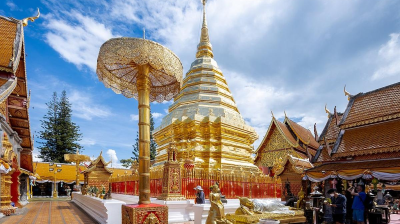
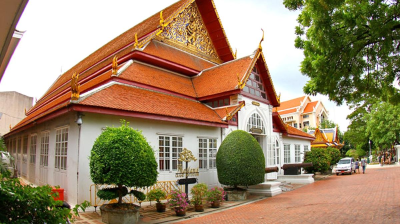
Numerous intriguing locations are included. One such temple is Wat Chedi Thong, which was constructed in the Ayutthaya Kingdom and features a stupa in the Mon style with four exquisite gold Buddha images positioned on either side. Wat Chedi Hoy is a fascinating temple with a stupa made of oyster shells. Numerous bird species, including ibis, cormorants, and Javan Pond herons, can be seen flying around the temple.
There are museums in Pathum Thani to explore and experience new skills, such as the National Geological Museum where you can learn about how topography affects human life and development, and the National Science Museum where you may get scientific findings through science exhibitions and activities for matching to your lifestyle.
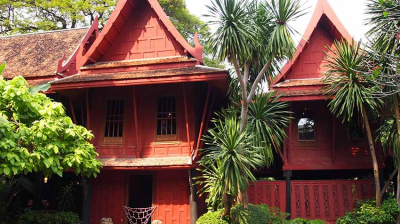
The 100-year Rahaeng Market, which is on the Rahaeng riverside and has historic wooden structures, is a great place to visit after exploring the museums. The Sutthaphirompanich family makes their home available as an antique museum. Old-fashioned recipes let you enjoy coconut ice cream or noodles. You are welcome to visit several nostalgia stores.
Residents in Pathum Thani cultivate a wide range of fruits, vegetables, flowers, and plants due to the region's fertile soil and effective irrigation systems; these produce items are all sold at Talad Thai, a massive international wholesale and retail produce market. In addition, the region near Wat Pailom is one of the largest sanctuaries in the world for Indian open-billed storks, who winter here during their breeding season along with Ruby Throats, Blue Throats, and Bush Warblers.
Weather
Pathum Thani has very little variation in its average temperature. When humidity is taken into account, temperatures feel warm all year round with a reasonable risk of precipitation roughly half the time.
The three hottest months of Pathum Thani are April, May, and finally March. If tourists want to come at its warmest, these are the best times, which is typically around the middle of April when daytime highs are frequently above 36.3°C and nighttime lows are infrequently below 27.1°C.
How to get there
Pathum Thani is considered a suburb of Bangkok, therefore, visitors can easily access there from Bangkok by car, bus, or train as well. If tourists arrive at Pathum Thani by car, it takes approximately one hour from Bangkok to there.
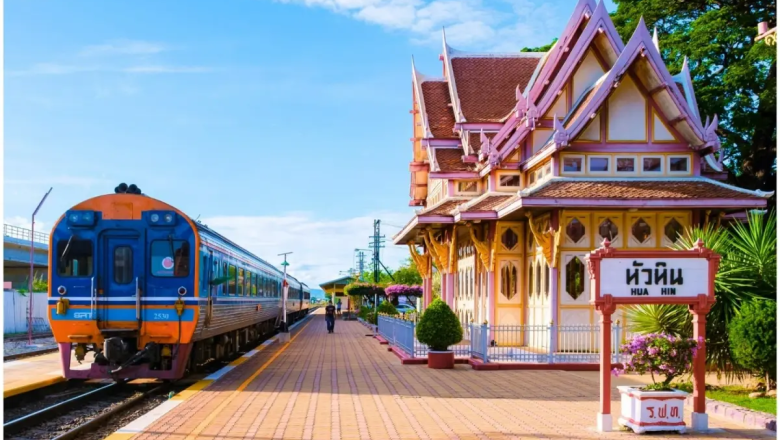
Regional trains departing from Bangkok and stopping at Lak Hok, Rangsit, Chiang Rak, and Thammasat stations are available for travel to Ayuttaya (Bang-Pa-In) and Lop Buri. Regular train fares to Bangkok are 9 baht. North and southbound services operate in intervals of roughly 90 minutes. The province is traversed by all trains traveling along the northern and northeastern routes. The only major station in Thailand having an office for the stationmaster and bookings is Rangsit.