
About Ang Thong

Ang Thong

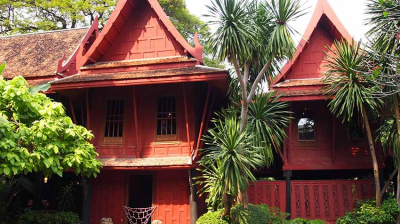
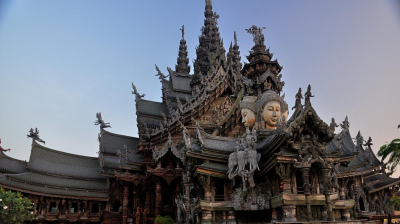
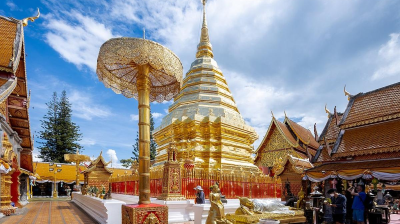
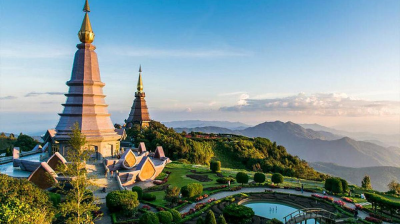
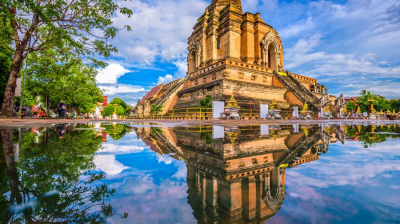
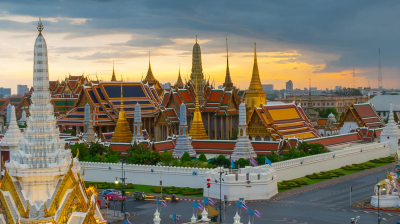
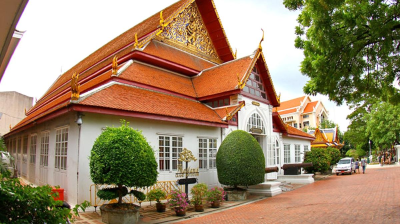
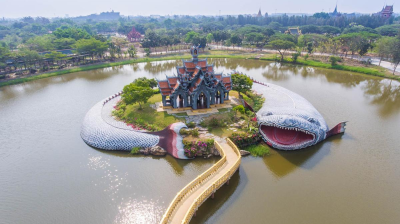
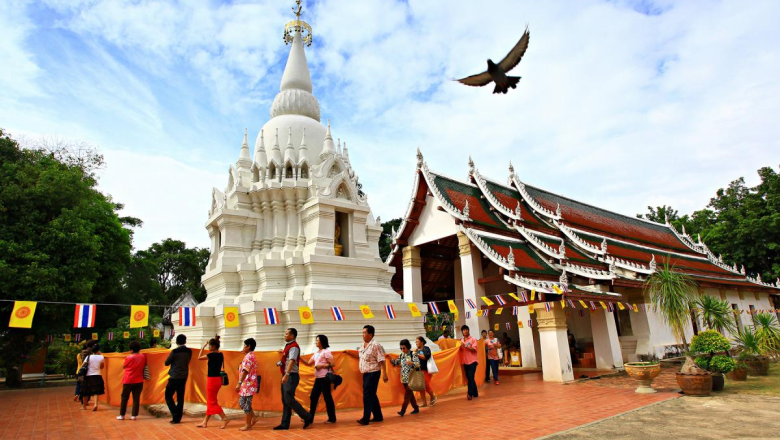
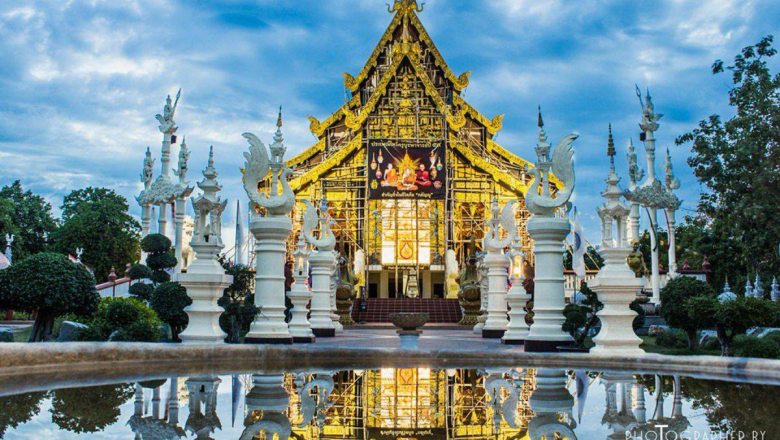
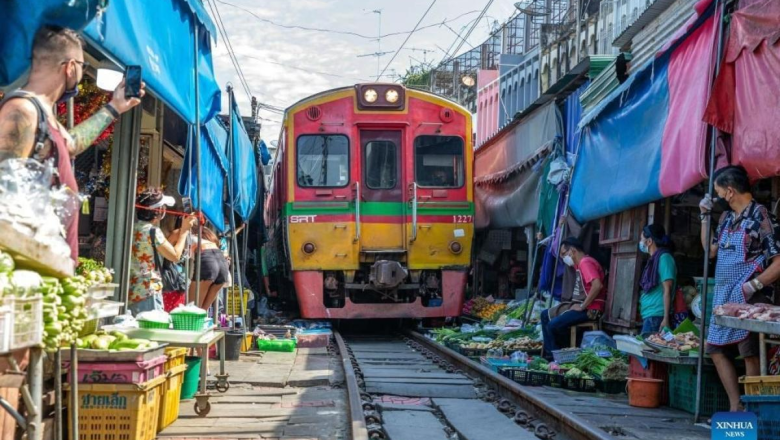
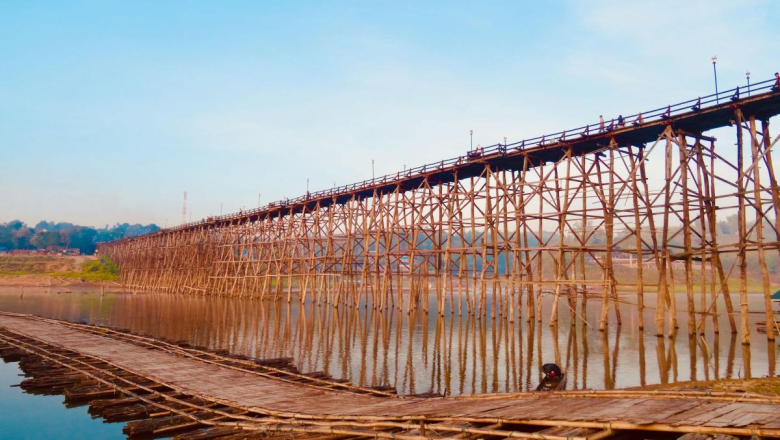
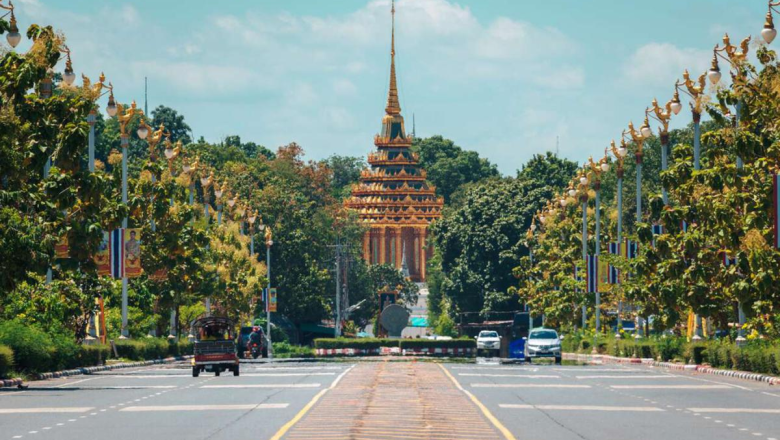
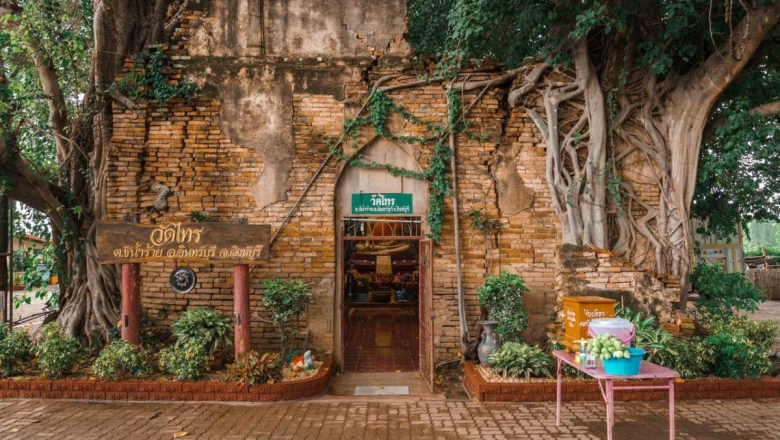
A small province in the center of the lowlands is called Ang Thong. Tourists can travel there in a full day; it is close to Bangkok. There are significant tourist destinations, however, the majority are related to history, religion, culture, way of life, and common knowledge. Historical temples can be found all across Ang Thong. More than 200 stunning temples can be found.

History

In Ang Thong, there are many different types of traditional handicrafts that are produced, including clay bricks, wickerwork, drum sculptures, and royal dolls. Folk music was developed there as well. There are large fields filled with marigolds and sunflower plants in certain areas, which are attracting more visitors.

It is hypothesized that the phrase "Ang Thong" may have originated from the previous name of the village, "Bang Kham Thong." According to Phraya Boran Ratchathanin (Porn Dechakupt), the intendant of Ayutthaya Province, who informed King Rama VI while touring the Noi and Yai Canals in B.E. 2459 (A.D. 1916), the name "Bang Kham Thong," which was offered to the province during the moment of the old capital as a result of King Narai the Great's visit to Nakhon Sawan Province from the anticipated capital, is where the In Thai, this would be "Reached Bang Nam Sue, Kham Thong, the water was confusing like foams and empty."

Ang Thong houses a number of cultural and historical attractions, as well as a large number of Buddhist temples.

Weather

The hottest summer in Ang Thong is April, May, and subsequently March. These are the best season to travel there. The warmest time of the year is typically in the middle of April when daytime highs are frequently above 98.5°F (36.9°C) and overnight lows are infrequently below 79.2°F (26.2°C).

How to get there

The distance between Bangkok and Ang Thong is approximately 110 km, which is appropriate to travel by car or bus. As there are not any airports or close train stations, the bus service from Bangkok to Ang Thong is convenient. The Mo Chit II bus terminal on Kamphaeng Phet 2 road in Bangkok has regular, air-conditioned buses that leave at least once every hour. It costs between 50 and 60 Thai Baht to travel one way and takes around 2 hours.

Traveler Best Choice

Visit Ayutthaya & Ang Thong: Two Ancient Cities in 1 Day

Koh Chang Island - Trat - Koh Mak - Koh Kood Private

From US$ 222 US$ 111

What to do in Ang Thong

dsds

Restaurants & Bars in Ang Thong

dsds

Destinations around

FAQs

This is the first item’s accordion body. It is shown by default, until the collapse plugin adds the appropriate classes that we use to style each element. These classes control the overall appearance, as well as the showing and hiding via CSS transitions. You can modify any of this with custom CSS or overriding our default variables. It’s also worth noting that just about any HTML can go within the .accordion-body, though the transition does limit overflow.

This is the second item’s accordion body. It is hidden by default, until the collapse plugin adds the appropriate classes that we use to style each element. These classes control the overall appearance, as well as the showing and hiding via CSS transitions. You can modify any of this with custom CSS or overriding our default variables. It’s also worth noting that just about any HTML can go within the .accordion-body, though the transition does limit overflow.

This is the third item’s accordion body. It is hidden by default, until the collapse plugin adds the appropriate classes that we use to style each element. These classes control the overall appearance, as well as the showing and hiding via CSS transitions. You can modify any of this with custom CSS or overriding our default variables. It’s also worth noting that just about any HTML can go within the .accordion-body, though the transition does limit overflow.

This is the third item’s accordion body. It is hidden by default, until the collapse plugin adds the appropriate classes that we use to style each element. These classes control the overall appearance, as well as the showing and hiding via CSS transitions. You can modify any of this with custom CSS or overriding our default variables. It’s also worth noting that just about any HTML can go within the .accordion-body, though the transition does limit overflow.

This is the third item’s accordion body. It is hidden by default, until the collapse plugin adds the appropriate classes that we use to style each element. These classes control the overall appearance, as well as the showing and hiding via CSS transitions. You can modify any of this with custom CSS or overriding our default variables. It’s also worth noting that just about any HTML can go within the .accordion-body, though the transition does limit overflow.

This is the third item’s accordion body. It is hidden by default, until the collapse plugin adds the appropriate classes that we use to style each element. These classes control the overall appearance, as well as the showing and hiding via CSS transitions. You can modify any of this with custom CSS or overriding our default variables. It’s also worth noting that just about any HTML can go within the .accordion-body, though the transition does limit overflow.