
About Lampang

Lampang

Lampang Province is generally a plateau with high mountains line from the North to the South and there is a river basin in the center of the province. According to the physical characteristics of Geomorphology, Lampang province has an area of ​​plains surrounded by mountains. There is the longest and widest inland basin in the North called “Lampang Reservoir”. 

History

During King Rama V's reign in 1892, Thailand officially recognized Lampang as a province.

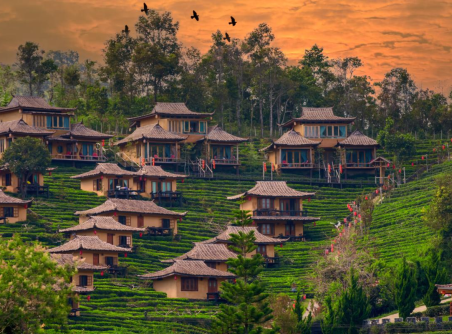
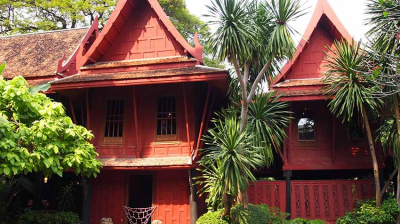
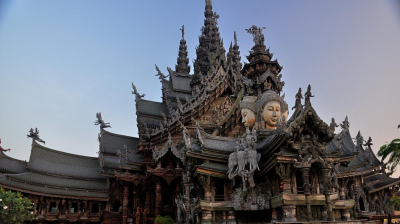
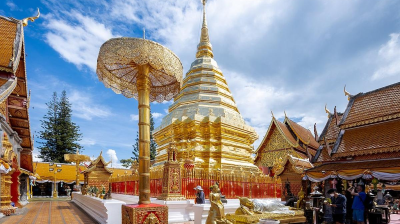
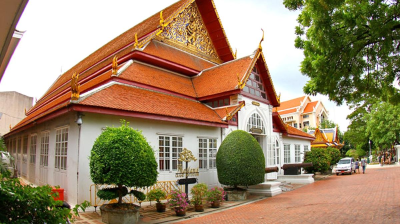
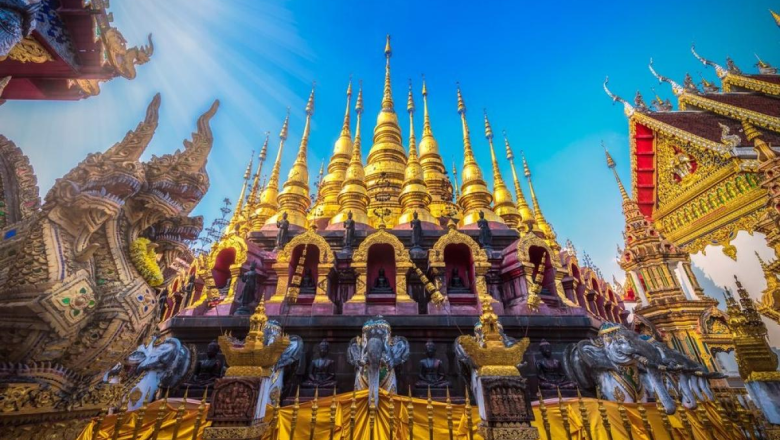
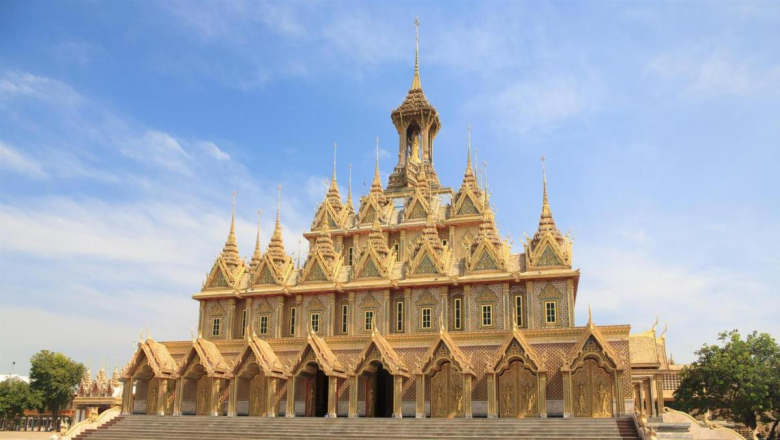
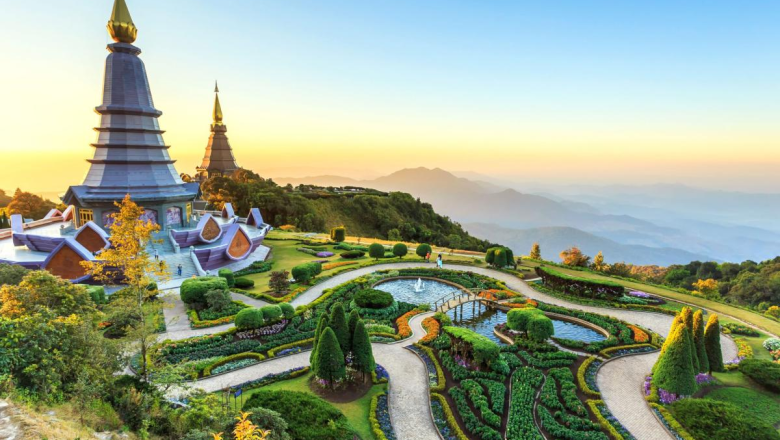
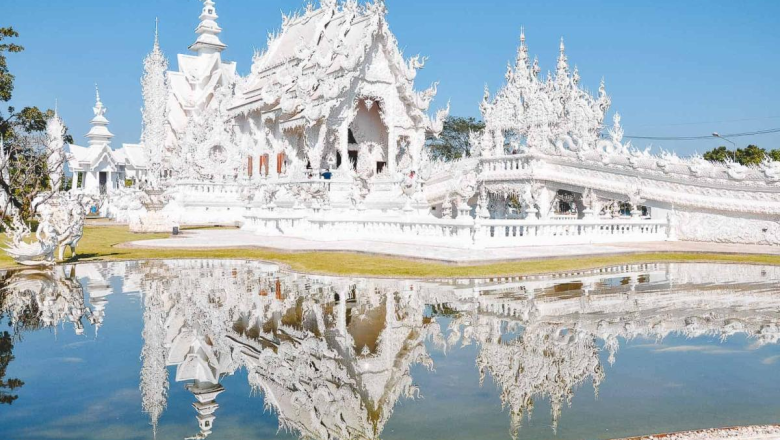
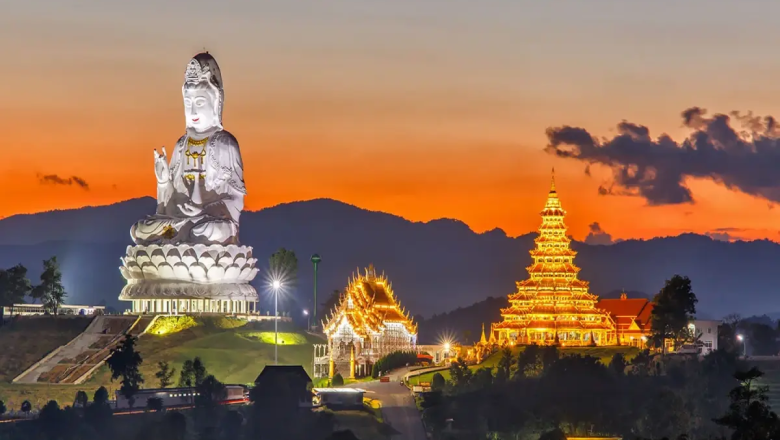
The local people have still preserved both the ancient traditions and customs. The province’s unique features include conventional architecture, temples and horse-drawn carriages, magnificent natural sceneries and a critically famous modern conservation institution with a colonial past of elephant logging.

‘White rooster’ is recognised as the symbol of the city since it is ubiquitous at every corner in this area like buildings, bridges, and road sides. 

Weather

Thailand experiences three distinct seasons in a tropical climate. Early March through mid-May is the start of the summer. The hottest month is April, when the weather is humid. Midway through May, the rainy season starts. Winter typically lasts from November through February. The month of January has the coldest weather overall.

Since the province is located in a basin that resembles the bottom of a pan, the region experiences sweltering heat all year round. The winters are very chilly and the summers are very scorching. 

How to get there

There are three common transportation means to transfer from Bangkok to Lampang. 

  • By car : 602 km. from Bangkok along Paholyothin highway
  • By train : 625 km. from Bangkok
  • By plane: about 45 minutes from Bangkok


Traveler Best Choice

Mae Hong Son Trekking tour 3 Days 2 Nights

Koh Chang Island - Trat - Koh Mak - Koh Kood Private

From US$ 222 US$ 111
Mae Hong Son Highland Loops 15 Days

Koh Chang Island - Trat - Koh Mak - Koh Kood Private

From US$ 222 US$ 111

What to do in Lampang

dsds

Restaurants & Bars in Lampang

dsds

Destinations around

FAQs

This is the first item’s accordion body. It is shown by default, until the collapse plugin adds the appropriate classes that we use to style each element. These classes control the overall appearance, as well as the showing and hiding via CSS transitions. You can modify any of this with custom CSS or overriding our default variables. It’s also worth noting that just about any HTML can go within the .accordion-body, though the transition does limit overflow.

This is the second item’s accordion body. It is hidden by default, until the collapse plugin adds the appropriate classes that we use to style each element. These classes control the overall appearance, as well as the showing and hiding via CSS transitions. You can modify any of this with custom CSS or overriding our default variables. It’s also worth noting that just about any HTML can go within the .accordion-body, though the transition does limit overflow.

This is the third item’s accordion body. It is hidden by default, until the collapse plugin adds the appropriate classes that we use to style each element. These classes control the overall appearance, as well as the showing and hiding via CSS transitions. You can modify any of this with custom CSS or overriding our default variables. It’s also worth noting that just about any HTML can go within the .accordion-body, though the transition does limit overflow.

This is the third item’s accordion body. It is hidden by default, until the collapse plugin adds the appropriate classes that we use to style each element. These classes control the overall appearance, as well as the showing and hiding via CSS transitions. You can modify any of this with custom CSS or overriding our default variables. It’s also worth noting that just about any HTML can go within the .accordion-body, though the transition does limit overflow.

This is the third item’s accordion body. It is hidden by default, until the collapse plugin adds the appropriate classes that we use to style each element. These classes control the overall appearance, as well as the showing and hiding via CSS transitions. You can modify any of this with custom CSS or overriding our default variables. It’s also worth noting that just about any HTML can go within the .accordion-body, though the transition does limit overflow.

This is the third item’s accordion body. It is hidden by default, until the collapse plugin adds the appropriate classes that we use to style each element. These classes control the overall appearance, as well as the showing and hiding via CSS transitions. You can modify any of this with custom CSS or overriding our default variables. It’s also worth noting that just about any HTML can go within the .accordion-body, though the transition does limit overflow.