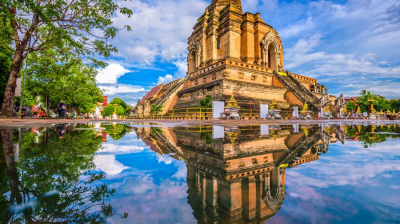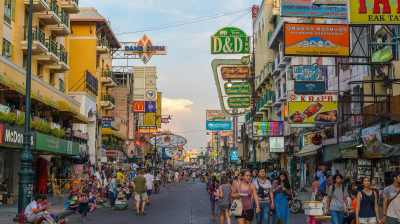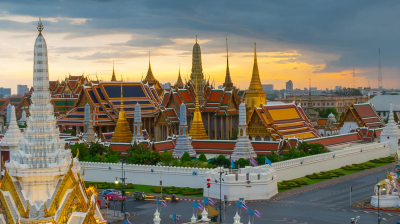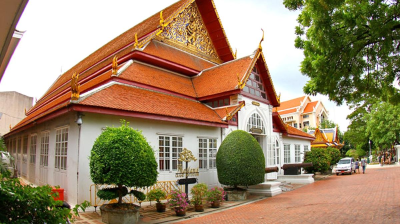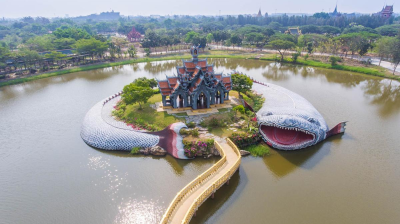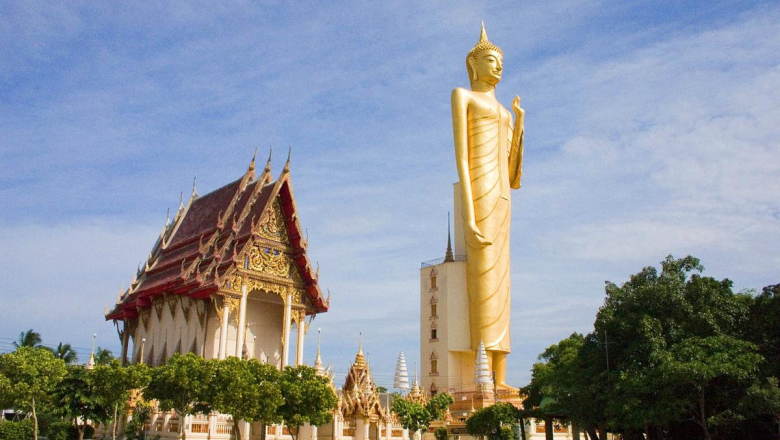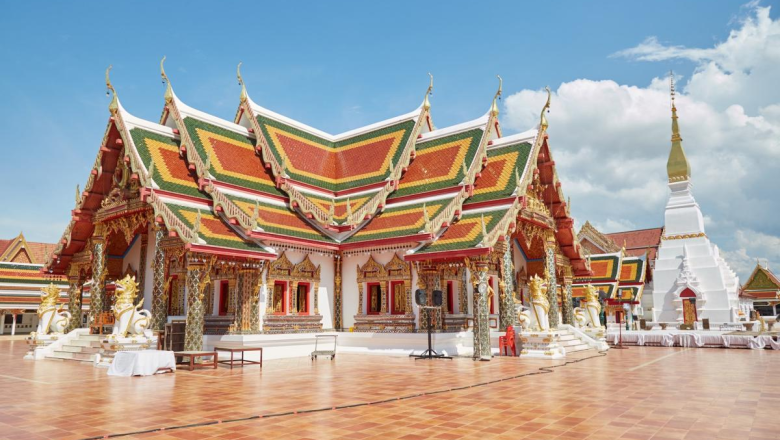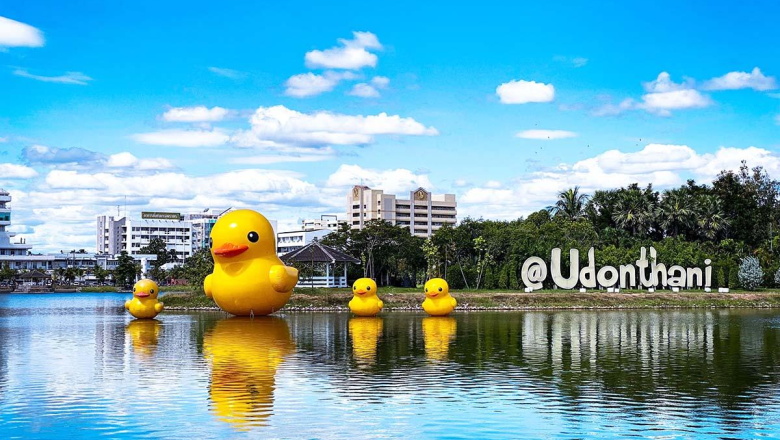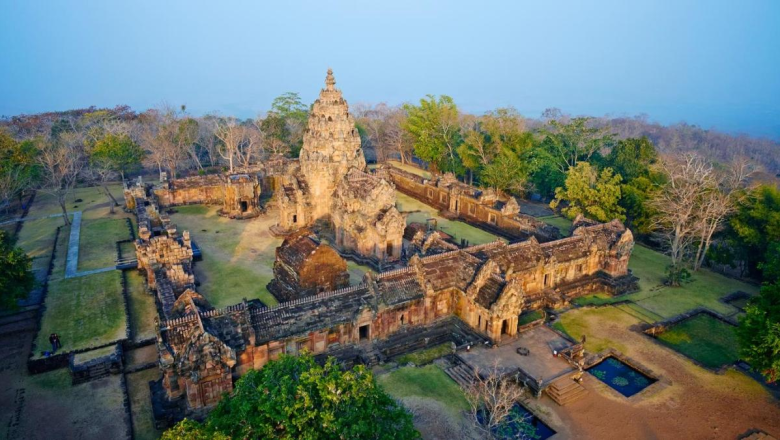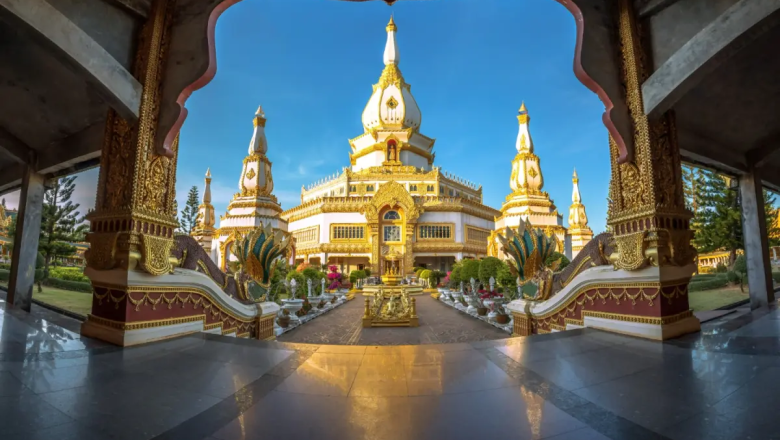
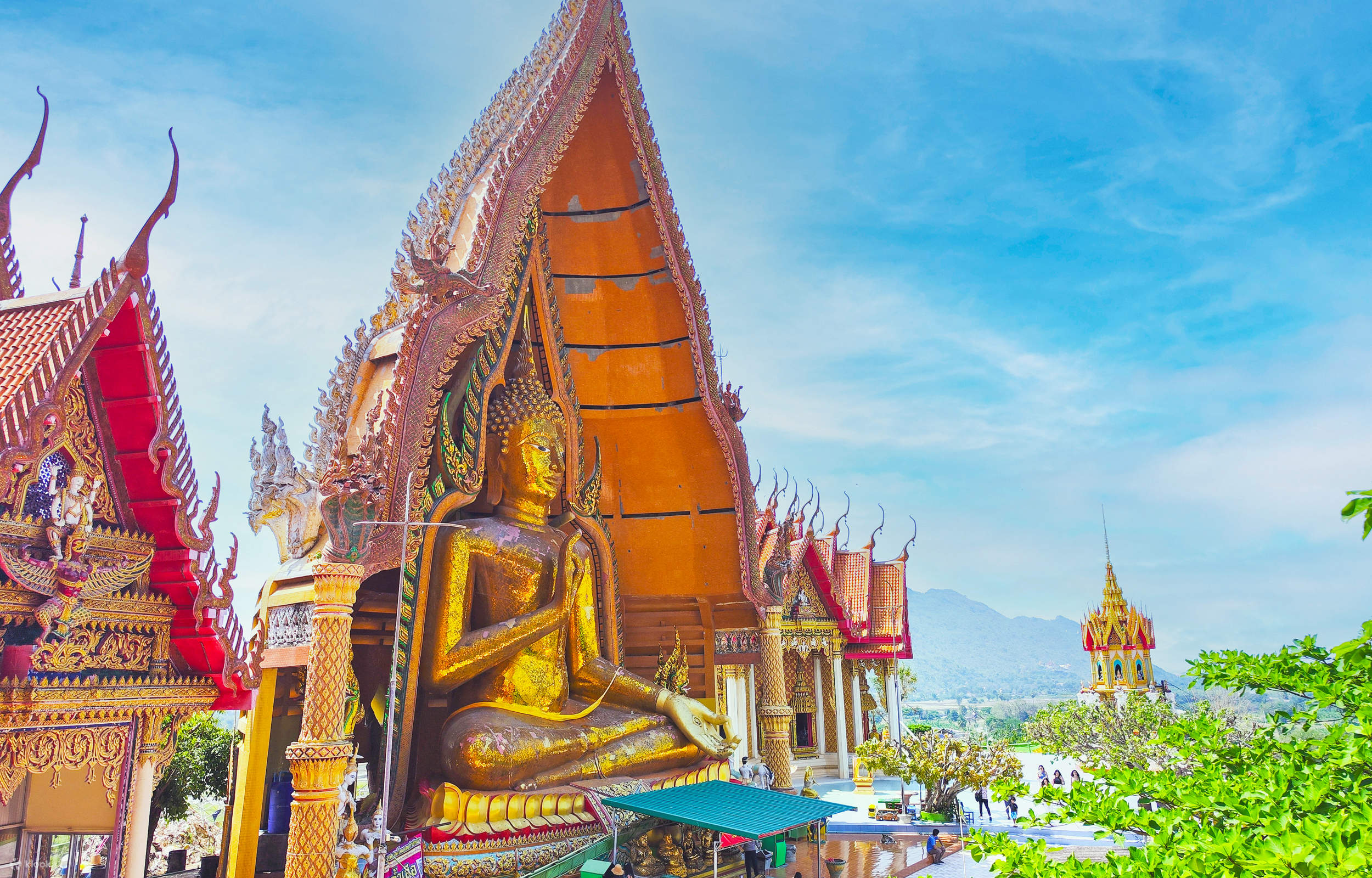
Located in the northeast of Thailand, between Vientiane and Bangkok, Khon Kaen is the fourth largest city in the Isan region, earning it the nickname the “Big Four of Isan.” It is the capital of Khon Kaen province, home to about 200,000 inhabitants, and crossed by the Chi River in the south and east.
Khon Kaen is known for its youthful atmosphere thanks to the largest university in the region, giving the city a laid-back yet dynamic vibe. Still relatively uncrowded by foreign tourists, it offers a blend of history, culture, landscapes, and activities, making it an excellent gateway to discovering Isan.
History & Heritage
Local legend tells that in the 20th century AD, monks spent the night near a tree stump after carrying Buddha relics to Phrathat Phanom. When the monks left, the tree miraculously grew again, inspiring the construction of the Phrathat Kham Kaen sanctuary to enshrine the relics.
In 1783, Rajakruluang founded the first city of the province and was appointed governor by King Rama I. Later, in 1789, ruler Suwannaphum established the city of Kham Kaen near the stupa to honor the shrine. From that time until 1879, the city was moved six times before finally settling in Nuang Kawhe. At the beginning of the 20th century, it became the administrative center of the region and was renamed Khon Kaen.
Modern Khon Kaen
Today, Khon Kaen is a focal point of northern Isan, recognized as its administrative, educational, and commercial hub. The city is also famous for its silk industry, producing some of the highest-quality silk in Thailand. While benefiting from modern infrastructure, Khon Kaen has managed to retain its traditional charm.
Getting There
Khon Kaen is well connected to other cities in Thailand and neighboring Laos:
-
From Bangkok: plane, train, or bus options are available.
-
From Chiang Mai: direct flights and buses.
-
From Tak: night bus (approx. 7 hours).
-
From Vientiane: train to Nong Khai, then onward connection.
For travelers coming from southern Thailand, it is best to go via Bangkok first before continuing to Khon Kaen.