
About Pattaya

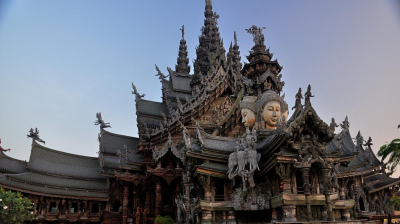
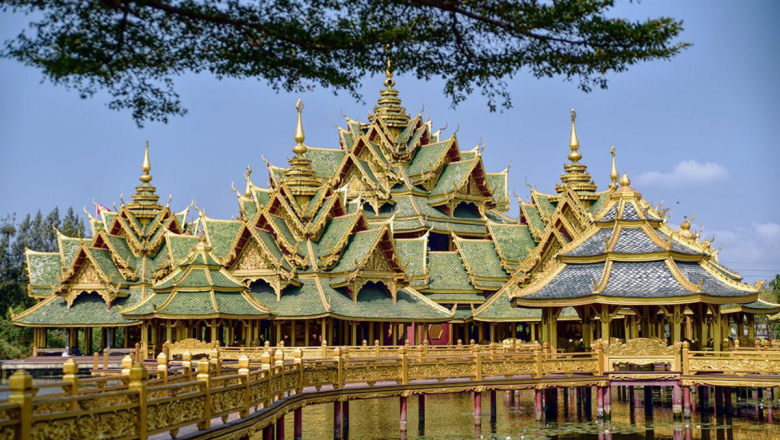
Pattaya is always switched on and fun. This vibrant coastal city shot to fame in early 1980s, and stayed there. From sunrise to sunset, Pattaya’s beaches are constantly brimming with life, as water sports lovers and sun worshippers take to the waters. After dark, the action shifts to the streets, as revellers explore its electrified nightlife scene, where drinking and partying continue until dawn.

Apart from water sports and nightlife, Pattaya offers endless possibilities when it comes to accommodation and entertainment. It has outgrown its image as a seedy beach town to a destination for a wider audience; whether couples, families or business travellers, Pattaya has something for everyone. Only 147km from Bangkok, Pattaya is the closest of Thailand's major beach resorts to the capital city. Not convinced yet
Traveler Best Choice

6 days in center Bangkok with Pattaya beach

Koh Chang Island - Trat - Koh Mak - Koh Kood Private

From US$ 222 US$ 111
A glimpse of Thailand 11 Days 10 Nights

Koh Chang Island - Trat - Koh Mak - Koh Kood Private

From US$ 222 US$ 111
Bustling Coastal City Of Pattaya 8 Days 7 Nights

Koh Chang Island - Trat - Koh Mak - Koh Kood Private

From US$ 222 US$ 111

What to do in Pattaya

dsds

Restaurants & Bars in Pattaya

dsds

Destinations around

FAQs

This is the first item’s accordion body. It is shown by default, until the collapse plugin adds the appropriate classes that we use to style each element. These classes control the overall appearance, as well as the showing and hiding via CSS transitions. You can modify any of this with custom CSS or overriding our default variables. It’s also worth noting that just about any HTML can go within the .accordion-body, though the transition does limit overflow.

This is the second item’s accordion body. It is hidden by default, until the collapse plugin adds the appropriate classes that we use to style each element. These classes control the overall appearance, as well as the showing and hiding via CSS transitions. You can modify any of this with custom CSS or overriding our default variables. It’s also worth noting that just about any HTML can go within the .accordion-body, though the transition does limit overflow.

This is the third item’s accordion body. It is hidden by default, until the collapse plugin adds the appropriate classes that we use to style each element. These classes control the overall appearance, as well as the showing and hiding via CSS transitions. You can modify any of this with custom CSS or overriding our default variables. It’s also worth noting that just about any HTML can go within the .accordion-body, though the transition does limit overflow.

This is the third item’s accordion body. It is hidden by default, until the collapse plugin adds the appropriate classes that we use to style each element. These classes control the overall appearance, as well as the showing and hiding via CSS transitions. You can modify any of this with custom CSS or overriding our default variables. It’s also worth noting that just about any HTML can go within the .accordion-body, though the transition does limit overflow.

This is the third item’s accordion body. It is hidden by default, until the collapse plugin adds the appropriate classes that we use to style each element. These classes control the overall appearance, as well as the showing and hiding via CSS transitions. You can modify any of this with custom CSS or overriding our default variables. It’s also worth noting that just about any HTML can go within the .accordion-body, though the transition does limit overflow.

This is the third item’s accordion body. It is hidden by default, until the collapse plugin adds the appropriate classes that we use to style each element. These classes control the overall appearance, as well as the showing and hiding via CSS transitions. You can modify any of this with custom CSS or overriding our default variables. It’s also worth noting that just about any HTML can go within the .accordion-body, though the transition does limit overflow.